How to use this.
One family at a time — five words, no more. Tap 🔊 on each and say it back.
Then try Cover the meanings and see if you can say them without looking.
When a family feels easy, play the games.
Meet the words
Six families of five words. Words are easier to remember when they arrive with their friends.
🌀
How you move
Some ways of moving are fast. Some are slow and quiet. The word you pick tells the reader which one.
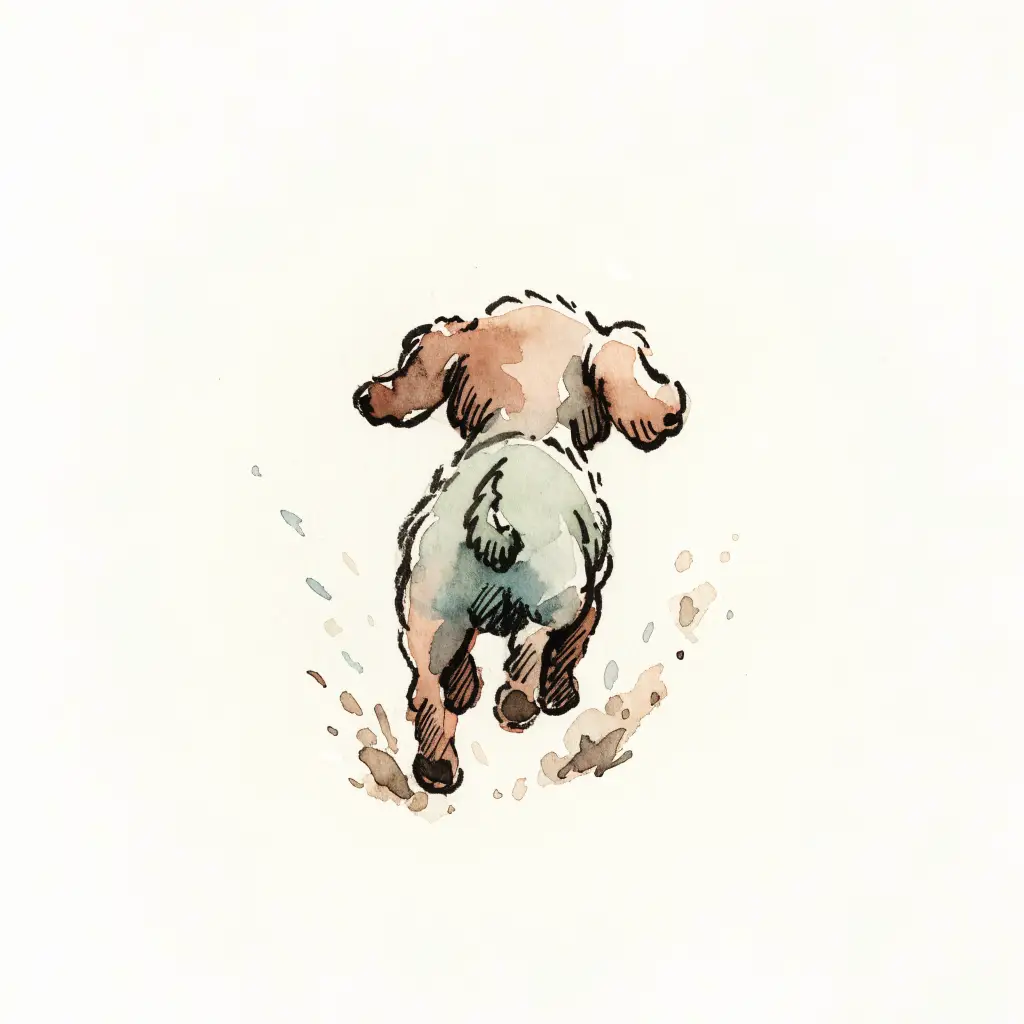
dashDASH — rhymes with splash
run somewhere very fast, for a short timeWe dashed to the car in the rain.A dash is quick and short.Read what the helper says
Dash means to run somewhere really fast, just for a moment. When the rain starts, you dash to the door!
Your turn — read it out loud!
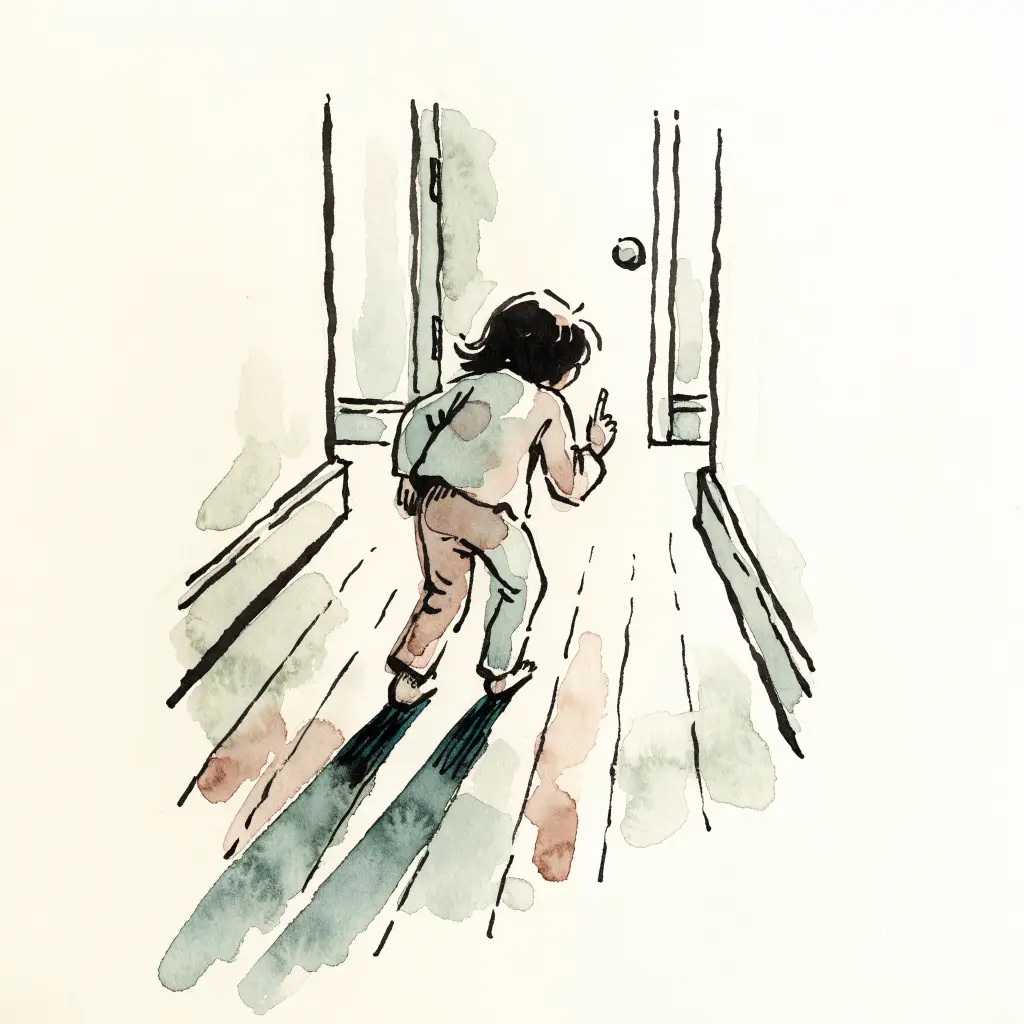
creepCREEP — long ee sound
move slowly and very quietlyThe cat creeps towards the bird.You creep when you do not want to be heard.Read what the helper says
Creep means to move slowly and so, so quietly. Cats creep when they don't want the bird to hear them.
Your turn — read it out loud!
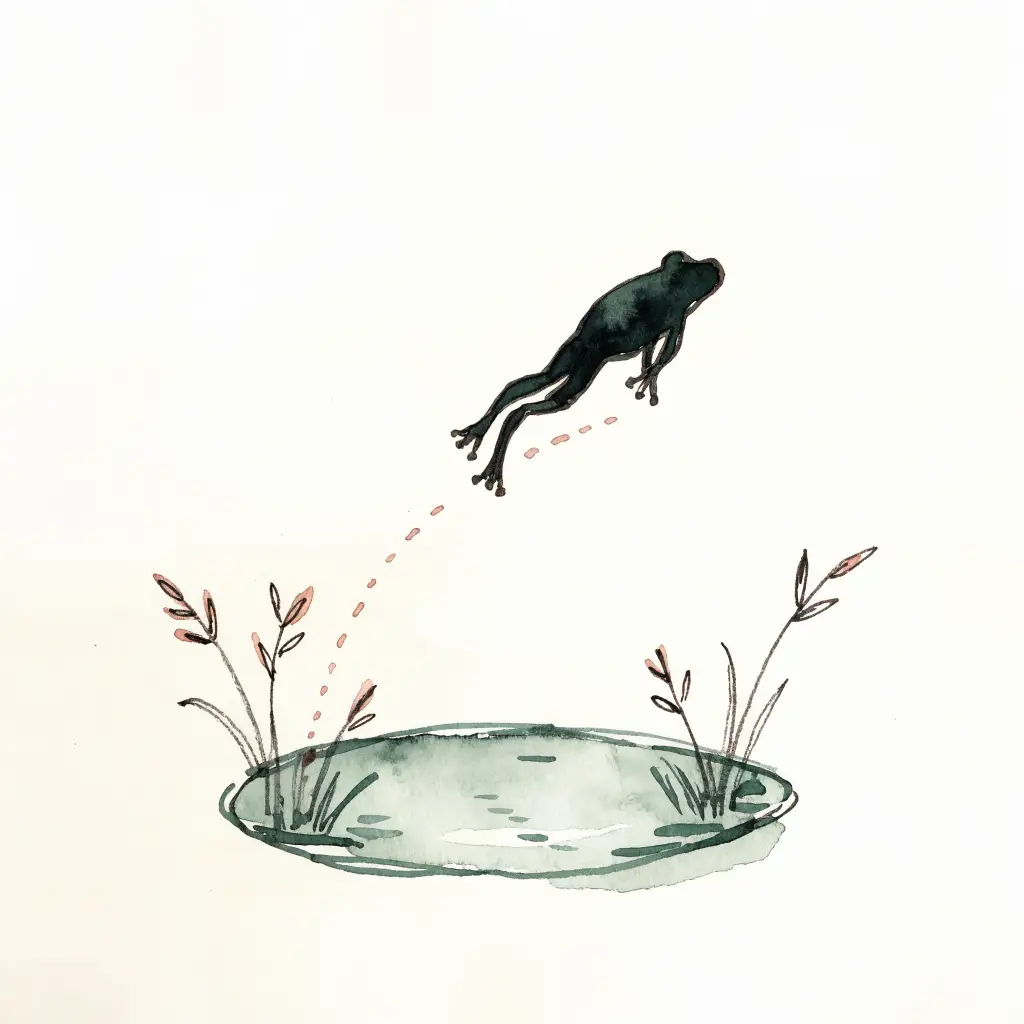
leapLEAP — long ea sound
make one big jumpFrogs leap from pad to pad.A leap is bigger than a hop.Read what the helper says
Leap means one big jump. A frog leaps from one lily pad to the next — boing!
Your turn — read it out loud!
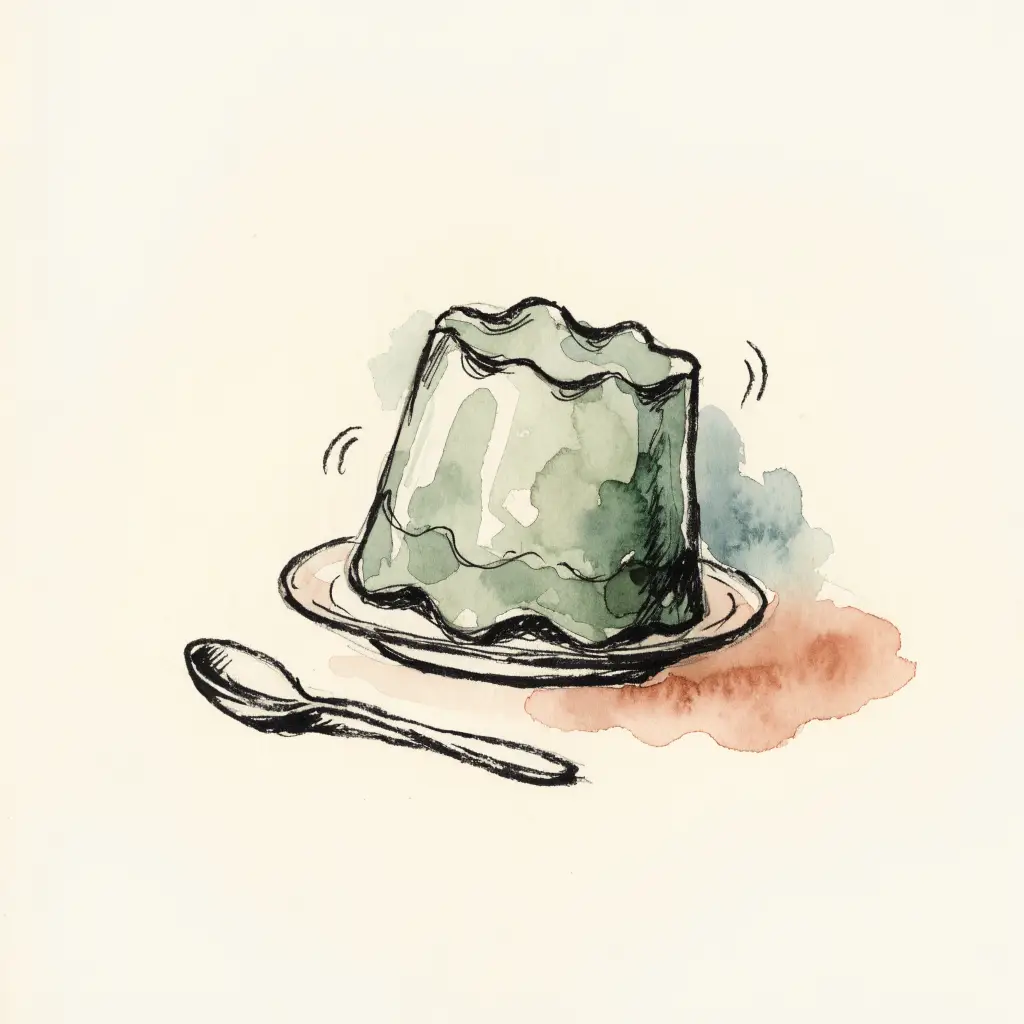
wobbleWOB-ble
move from side to side, not steadyThe jelly wobbled on the plate.Things wobble just before they fall.Read what the helper says
Wobble means to shake from side to side, not steady at all. Jelly wobbles on the plate — try not to giggle.
Your turn — read it out loud!
Tap the jelly. It wobbles, then settles.
driftDRIFT
move slowly where wind or water takes youThe balloon drifted over the fence.Drifting is moving without trying.Read what the helper says
Drift means to float along slowly, going wherever the wind takes you. A balloon drifts over the fence.
Your turn — read it out loud!
👂
Sounds things make
Every sound has its own word. A buzz and a roar are never the same size of sound.
whisperWHIS-per
speak very, very quietlyShe whispered the secret to me.Softer than talking.Read what the helper says
Whisper means to speak so quietly only someone very close can hear. You whisper when the baby is asleep.
Your turn — read it out loud!
roarROAR — like door
make a very loud, deep soundThe lion roared at the zoo.A big crowd can roar too.Read what the helper says
Roar means to make a huge, deep sound. Lions roar, and planes roar too when they fly low.
Your turn — read it out loud!
buzzBUZZ — zz like a bee
make a low sound like a beeA fly buzzed near my ear.Machines can buzz too.Read what the helper says
Buzz is the low sound a bee makes near your ear. Zzzzz — machines can buzz too.
Your turn — read it out loud!
crunchCRUNCH
the sound of breaking something hardLeaves crunched under our boots.Crunchy food makes this sound.Read what the helper says
Crunch is the sound of something hard breaking. Dry leaves crunch under your boots in autumn.
Your turn — read it out loud!
squeakSQUEAK — long ee sound
make a small, high soundThe old door squeaked open.Mice squeak. New shoes do too.Read what the helper says
Squeak is a small, high sound. Mice squeak, and old doors squeak when they open.
Your turn — read it out loud!
💗
How someone feels
Feelings have names too. The right word says exactly how someone feels.
proudPROUD — ou like shout
happy about something you did wellI felt proud of my painting.Proud feels warm inside.Read what the helper says
Proud is the warm, happy feeling when you did something well all by yourself. Finished the puzzle? That feeling is proud.
Your turn — read it out loud!
nervousNER-vus
a little scared before something happensHe was nervous before the race.Butterflies in your tummy.Read what the helper says
Nervous is the wobbly tummy feeling before something big happens. It comes before your turn, and it goes away after.
Your turn — read it out loud!
gentleJEN-tul
soft and careful, not roughBe gentle with the baby chicks.Gentle hands, gentle voice.Read what the helper says
Gentle means soft and careful, never rough. You use gentle hands with baby chicks.
Your turn — read it out loud!
braveBRAVE — long a sound
doing something even when you feel scaredThe brave girl spoke first.Brave does not mean not scared.Read what the helper says
Brave means doing something even though you feel scared. Being scared first is part of being brave.
Your turn — read it out loud!
grumpyGRUM-pee
cross and a little bit rudeDad is grumpy before his coffee.Grumpy passes. Be patient.Read what the helper says
Grumpy means cross and a little bit rude. Some people are grumpy before breakfast — it passes.
Your turn — read it out loud!
🔍
Size and shape
Not everything small is small in the same way. These words help you say the size and the shape just right.
tinyTY-nee
very, very smallAn ant is tiny next to a shoe.Smaller than small.Read what the helper says
Tiny means very, very small — smaller than small. An ant is tiny next to your shoe.
Your turn — read it out loud!
tiny — slide across to huge.
hugeHUGE — h then yooj
very, very bigThe elephant left huge footprints.Bigger than big.Read what the helper says
Huge means very, very big — bigger than big. An elephant leaves huge footprints.
Your turn — read it out loud!
narrowNAR-row
not wideThe path was too narrow for two.The opposite of wide.Read what the helper says
Narrow means not wide. A narrow path is one you walk in a single line.
Your turn — read it out loud!
curvedCURVED
bent round like part of a circleThe road curved around the hill.The moon looks curved.Read what the helper says
Curved means bent round, like part of a circle. The moon looks curved, and so does a rainbow.
Your turn — read it out loud!
Drag the middle up to pull it straight. Let go and it curves again.
straightSTRAIGHT — one smooth sound
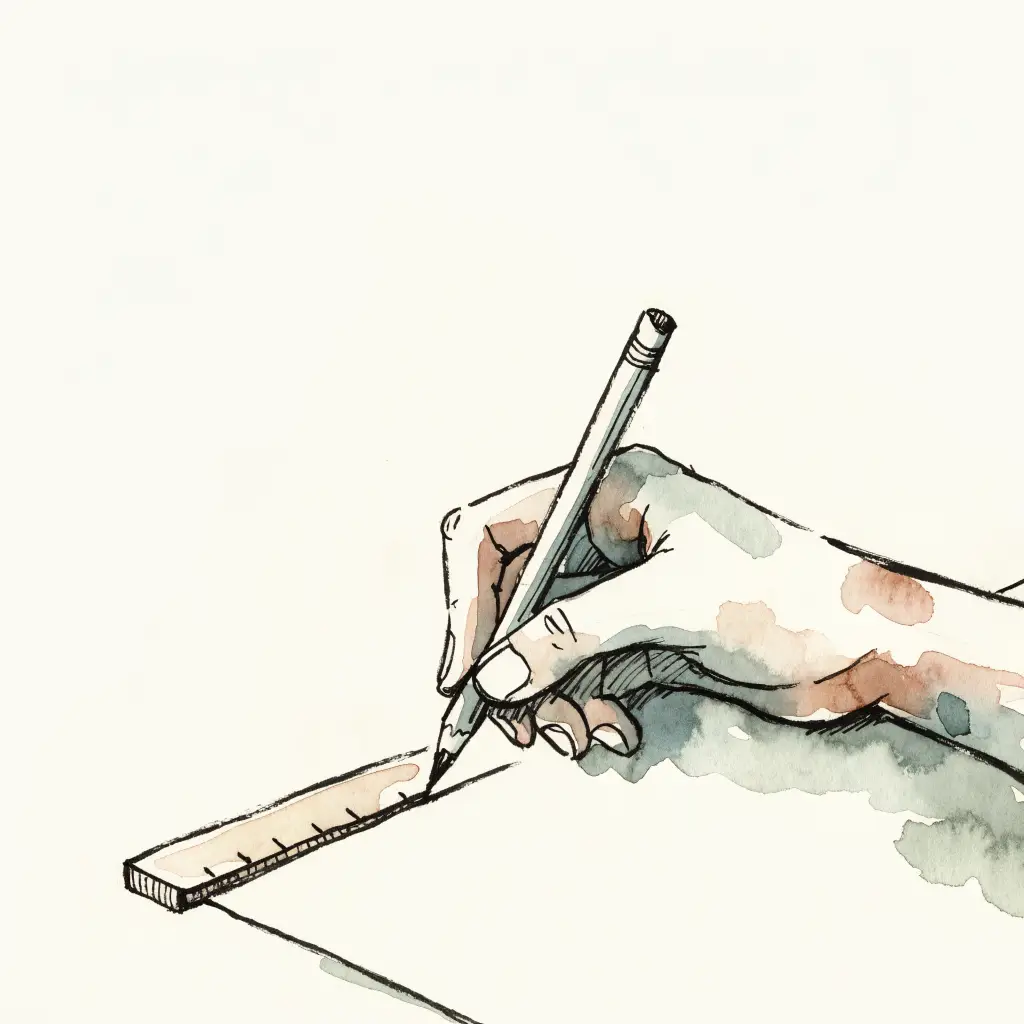
with no bends at allDraw a straight line with a ruler.A ruler edge is straight.Read what the helper says
Straight means no bends at all. The edge of a ruler is perfectly straight.
Your turn — read it out loud!
🌥️
Sky and weather
The sky changes all day long. These are the words for what it is doing.
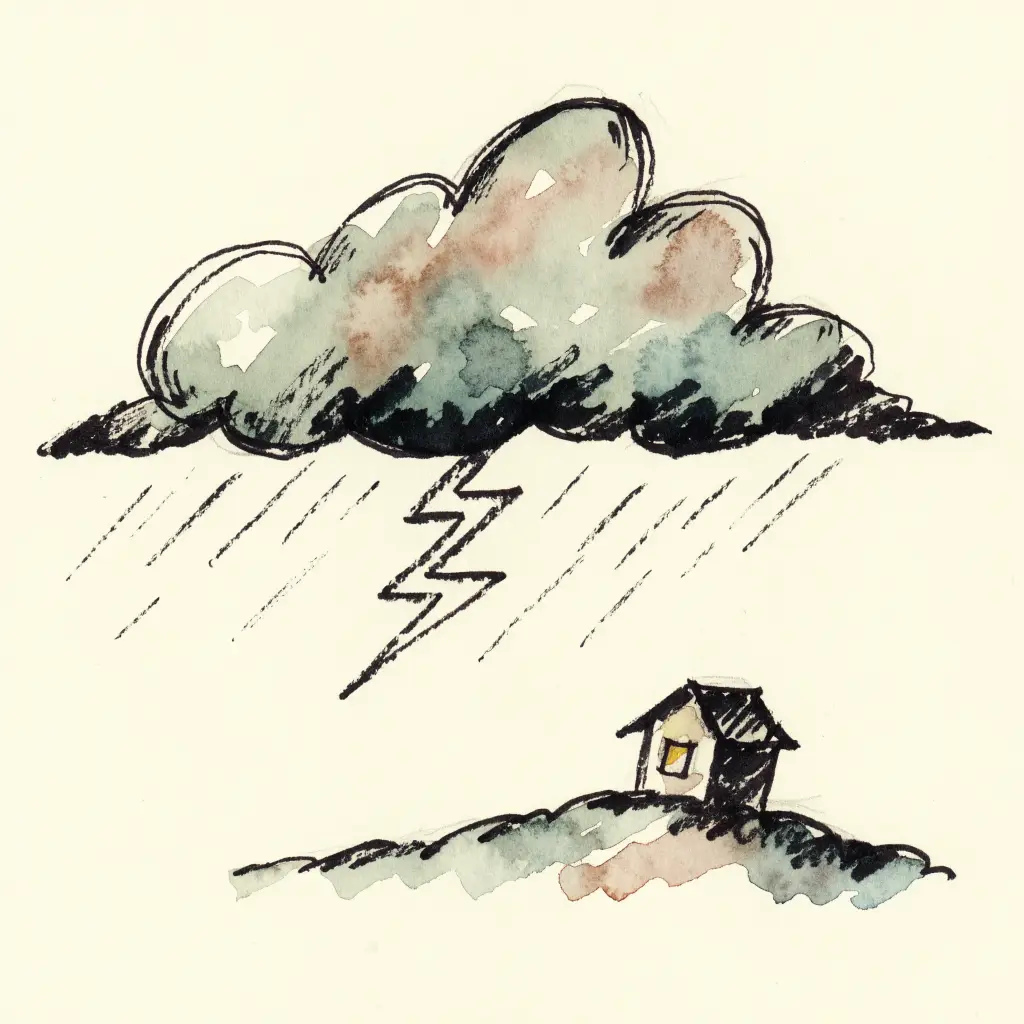
stormSTORM
very bad weather with wind and rainThe storm shook the windows.Thunder often comes with it.Read what the helper says
A storm is very bad weather, with strong wind and lots of rain. Storms shake the windows.
Your turn — read it out loud!
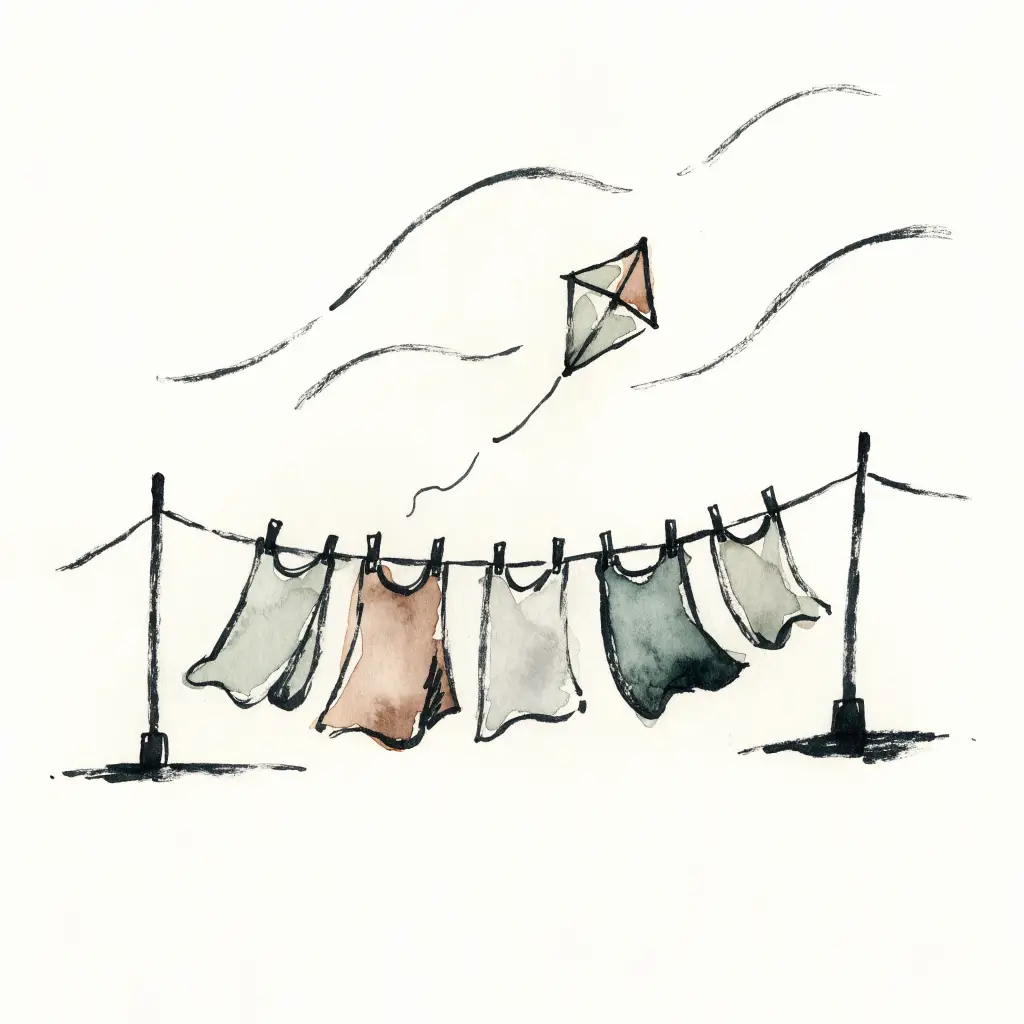
breezeBREEZE — long ee sound
a soft, gentle windA breeze moved the curtains.A breeze feels nice on a hot day.Read what the helper says
A breeze is a soft, gentle wind. On a hot day, a breeze feels lovely on your face.
Your turn — read it out loud!
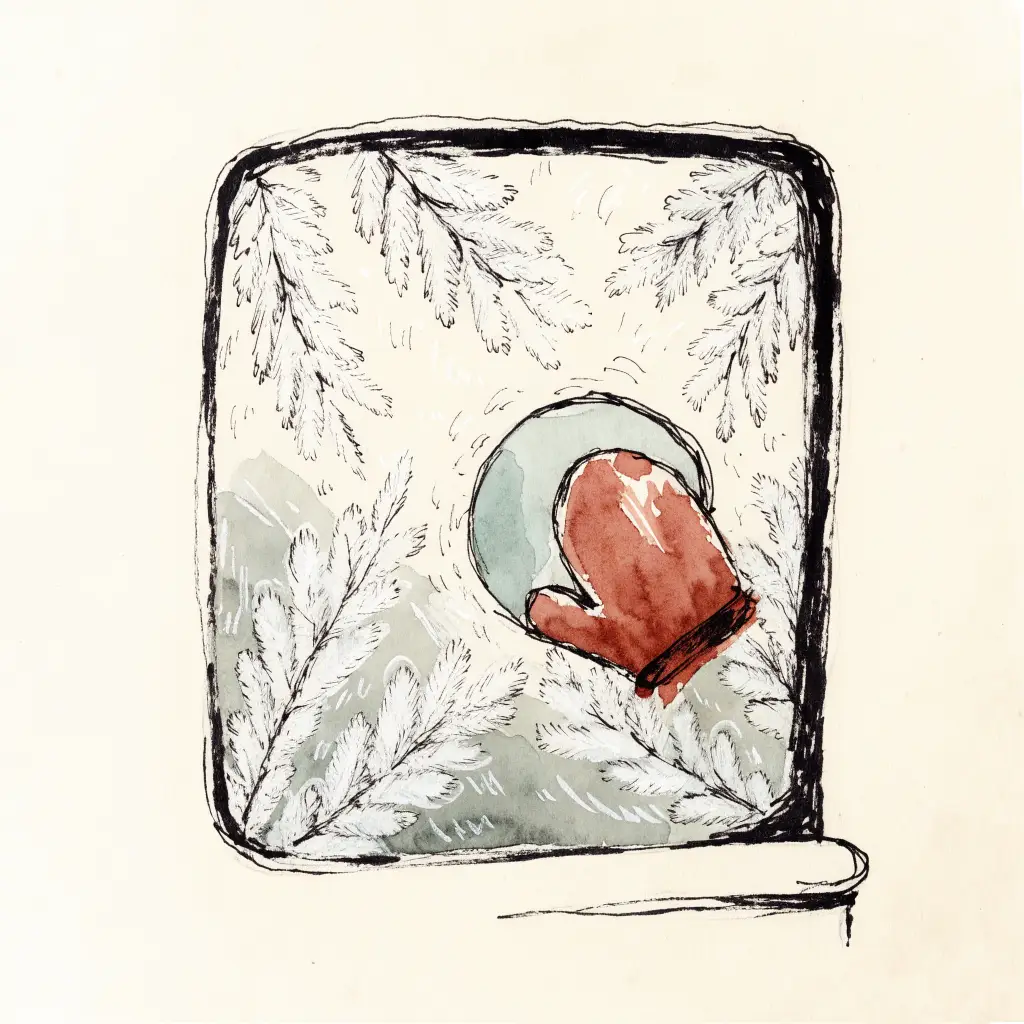
frostFROST
thin white ice on cold morningsFrost covered the grass this morning.Frost melts when the sun comes.Read what the helper says
Frost is the thin white ice that covers the grass on cold mornings. It melts when the sun comes up.
Your turn — read it out loud!
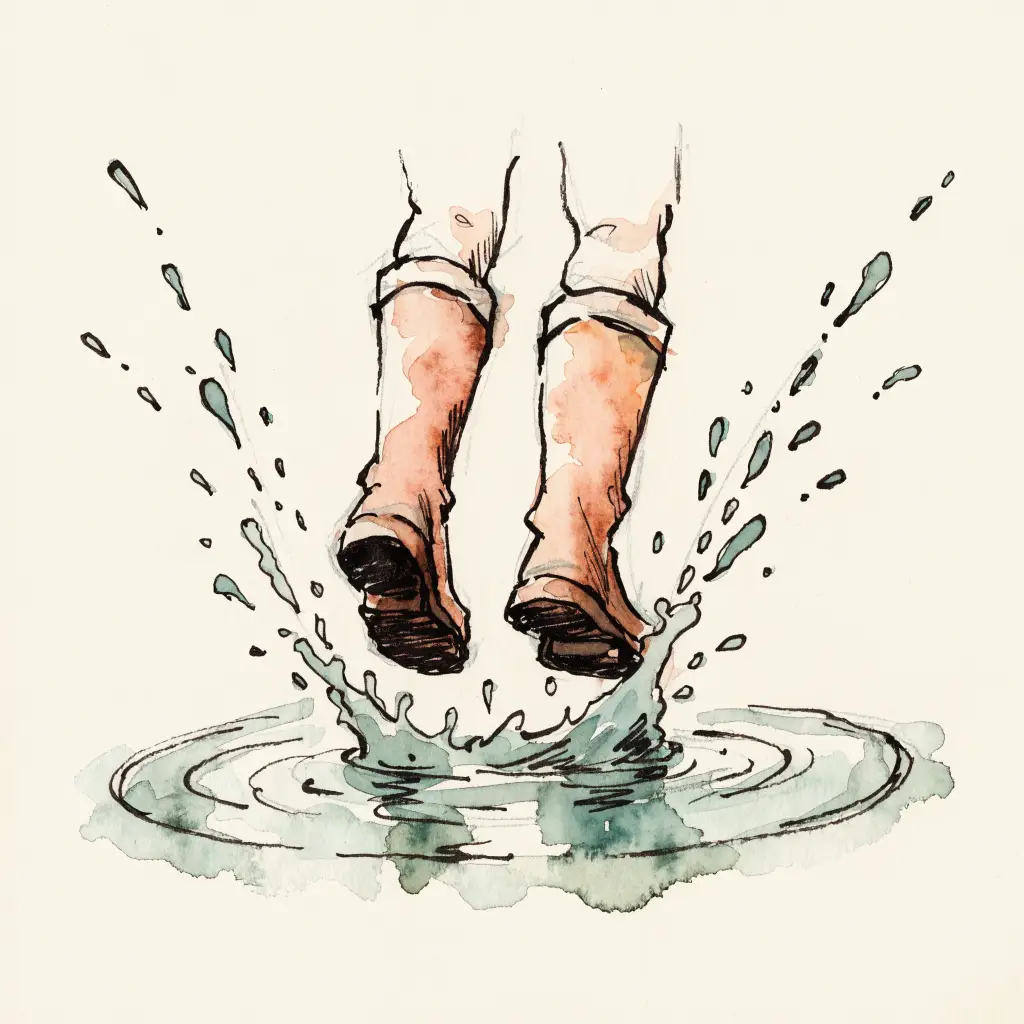
puddlePUD-dul
a small pool of rain waterShe jumped over the puddle.Puddles appear after rain.Read what the helper says
A puddle is a little pool of rain water on the ground. Jump over it — or in it!
Your turn — read it out loud!
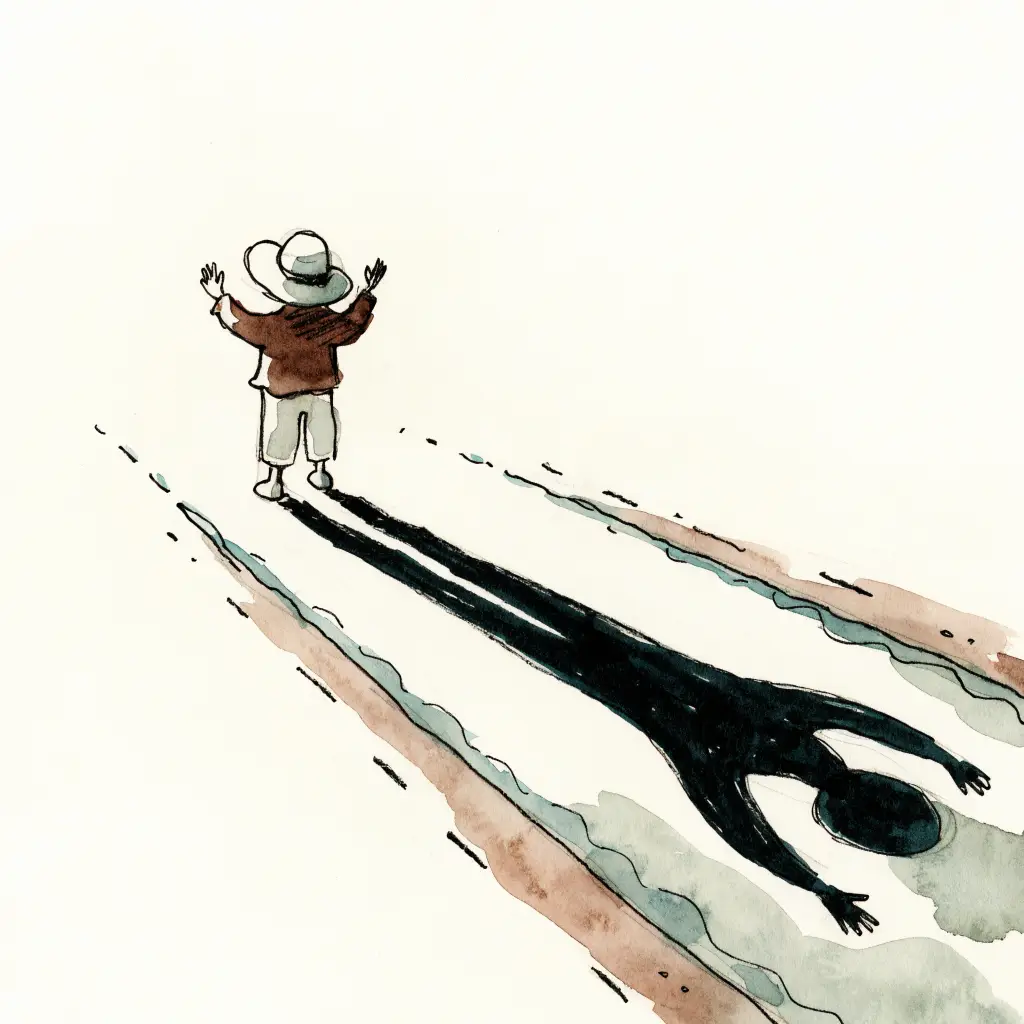
shadowSHAD-oh
the dark shape made when you block lightMy shadow is long in the evening.Your shadow copies you.Read what the helper says
Your shadow is the dark shape you make when you block the light. It copies every move you make.
Your turn — read it out loud!
Drag the sun across the sky.
🤝
Busy hands
Your hands can stir, pour, fold, stack and wrap. Each one is a different job.
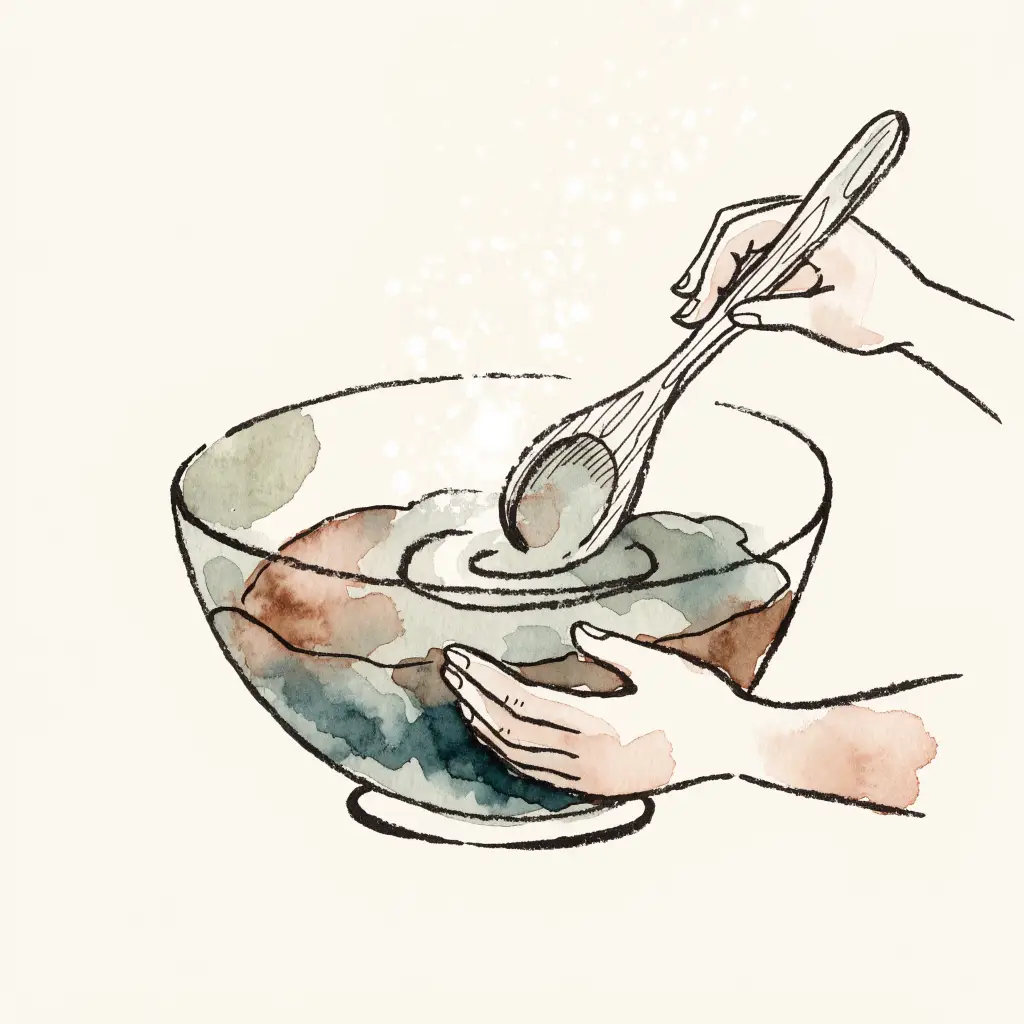
stirSTIR — like her
mix round and round with a spoonStir the soup slowly.Round and round it goes.Read what the helper says
Stir means to mix something round and round with a spoon. You stir the soup so nothing sticks.
Your turn — read it out loud!
Drag the spoon round and round the bowl.
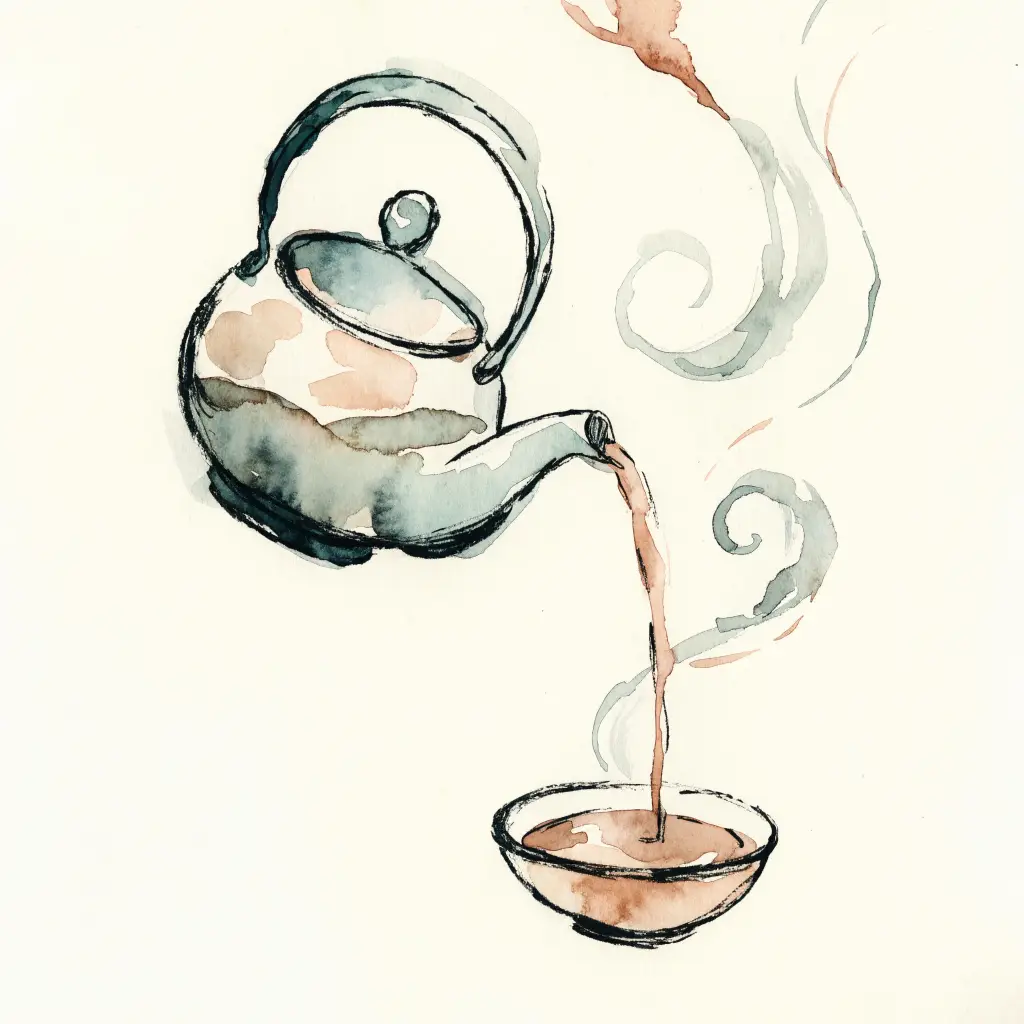
pourPOUR — like door
make a drink or liquid flow outPour the milk into the cup.Tip it slowly so it does not spill.Read what the helper says
Pour means to make a drink flow out, slowly and carefully. Pour the milk into the cup.
Your turn — read it out loud!
Press and hold the jug to tilt it. Let go before it overflows.
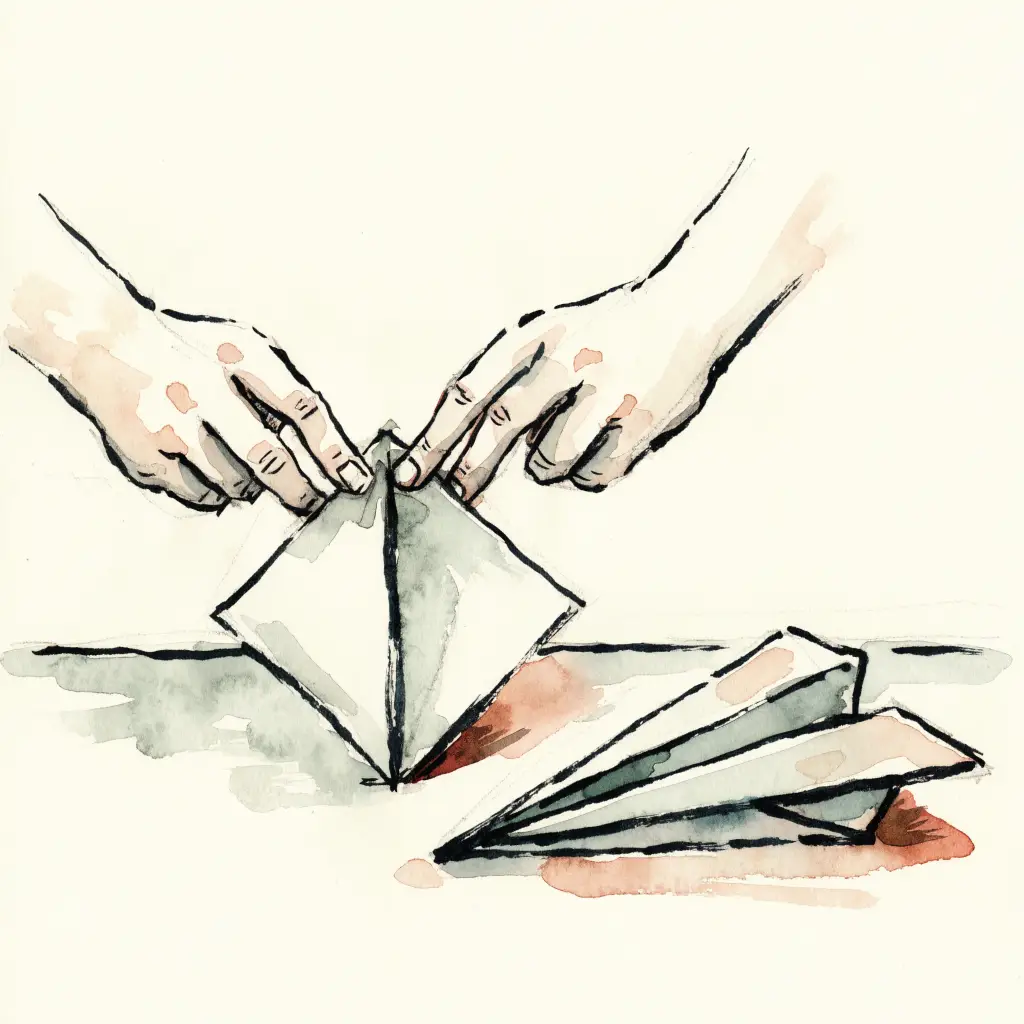
foldFOLD — long o sound
bend something flat over itselfFold your shirt neatly.Paper planes start with a fold.Read what the helper says
Fold means to bend something flat over itself. You fold your shirt, and paper planes start with a fold.
Your turn — read it out loud!
stackSTACK
put things on top of each otherStack the blocks up high.A stack can topple.Read what the helper says
Stack means to put things on top of each other, one by one. Stack the blocks high — until they topple!
Your turn — read it out loud!
Tap the blocks to add one. Past six, they topple.
wrapWRAP — the w is silent
cover something all the way aroundWe wrapped the present in paper.You wrap a present. A scarf wraps you.Read what the helper says
Wrap means to cover something all the way around. You wrap a present, and a scarf wraps you.
Your turn — read it out loud!
Drag the paper over the box.
Three games
Same thirty words, three different jobs: match the picture, fill the gap, and pick what you heard.
🎯 Match up
Tap a picture, then its word. Clear all four pairs.
✏️ Fill the gap
One word is missing. Only one of the four fits.
👂 Listen and pick
Tap the speaker, then choose the picture you heard.
Now try the questions
Twenty-four questions. Tap an answer and find out straight away — and why the wrong ones looked right.
0 of 24 answered0 right
1
The rain started, so we had to ___ to the bus.
Stuck?
💡The rain is coming — do you go fast or slow?
1Cross out the two words that mean moving slowly.
C. Dash means to run fast for a short way — just right for rain. Creep and drift are slow, and wobble is shaky, not fast.How you move
2
The baby was asleep, so Mum spoke in a ___.
Stuck?
💡The baby is asleep — what kind of voice keeps a baby asleep?
1Which of these words means a very quiet voice?
C. A whisper is the quietest way to speak. A roar would wake the baby, and buzz and crunch are sounds things make, not ways of speaking.Sounds things make
3
Mia finished her first big puzzle all by herself. How did she feel?
Stuck?
💡She did something hard all by herself — is that a good feeling or a worried one?
1Cross out the words that are about being upset or careful.
A. Feeling proud is feeling happy about something YOU did well — like finishing a big puzzle. Nervous is for before something scary, and grumpy is cross.How someone feels
4
A ladybird is ___ — it can sit on your fingernail.
Stuck?
💡It fits on a fingernail — what does that tell you about its size?
1Two of these words are not about size at all. Cross them out.
D. Something that fits on a fingernail is tiny — very, very small. Narrow means not wide, and straight means no bends — they are about shape, not size.Size and shape
5
It was hot, but a soft ___ cooled our faces.
Stuck?
💡It is soft and it cools you — is it big weather or small weather?
1Cross out the two words that are not about wind.
B. A breeze is a soft, gentle wind — lovely on a hot day. A storm is wild and loud, frost is ice, and a puddle is water on the ground.Sky and weather
6
___ the cocoa so the sugar mixes in.
Stuck?
💡The sugar needs to mix in — which hand movement mixes things?
1Think of a spoon going round and round.
D. To mix sugar into cocoa you move a spoon round and round — that is stirring. Pouring makes it flow out, and you cannot wrap or stack a drink.Busy hands
7
He wanted to surprise his sister, so he had to ___ up the stairs.
Stuck?
💡A surprise only works if she does not hear him coming.
1Cross out the words that would make noise.
D. To surprise someone you move slowly and quietly — you creep. Dashing and leaping are quick and noisy, and roar is a sound, not a way to move.How you move
8
The plane flew low over the house. What did it do?
Stuck?
💡A plane close by is one of the loudest, deepest sounds there is.
1Is a low plane a big deep sound or a small high one?
B. A low plane makes a huge, deep sound — it roars. A squeak is small and high, a whisper is tiny, and crunch is for breaking things.Sounds things make
9
It was almost Ari's turn to sing in front of everyone. His tummy felt funny. He was ___.
Stuck?
💡The singing has not happened yet — this is a before feeling.
1Which word goes with a funny tummy before a big moment?
D. That funny tummy before your turn is feeling nervous. Proud comes AFTER you do something well, and brave is what you are when you do it anyway.How someone feels
10
The gate was so ___ that the pram would not fit through.
Stuck?
💡The pram is too WIDE for the gate. What is the gate?
1Which word is exactly about not being wide?
A. A gate the pram cannot fit through is narrow — not wide enough. Tiny would mean small all over, and a huge gate would fit anything.Size and shape
11
Tom stood in the sun and saw a dark Tom-shape on the ground. What was it?
Stuck?
💡It is dark, it is his shape, and it happens when he blocks the sun.
1Which one copies your shape and moves when you move?
C. When you block sunlight, a dark copy of your shape appears — your shadow. A puddle is water, frost is ice, and a storm is weather in the sky.Sky and weather
12
Before the party, we ___ the present in shiny paper.
Stuck?
💡The paper goes all the way around the present.
1Which word means covering something on every side?
D. Covering a present all the way around with paper is wrapping it. Folding only bends the paper — the present would still show.Busy hands
13
Which sentence uses the word correctly?
Stuck?
💡The word means running fast for a short way.
1Say each sentence out loud — which one is fast and short?
C. You dash TO somewhere, quickly, before something happens — like a closing door. You cannot do it slowly, and soup and sleeping do not run.How you move
14
Which sentence uses the word correctly?
Stuck?
💡The word is for speaking so quietly only someone close can hear.
1Cross out any sentence with loud or noisy in it.
A. Whispering is for when you do not want to be heard — it only works close up. It cannot cross a noisy playground, and it can never be loud.Sounds things make
15
Which sentence shows the feeling of being proud?
Stuck?
💡This feeling comes from something you did yourself, and it wants to be shown.
1Which speaker did something and feels good about it?
A. Feeling proud sounds like showing what you made: "Look what I built!" The others are worried, cross, and careful — different feelings.How someone feels
16
Which one is really tiny?
Stuck?
💡The word means very, very small — smaller than small.
1Which one could sit on the tip of your finger?
D. A grain of sand is so small you can barely see one — that is tiny. Buses, trees and pools are all big things.Size and shape
17
Which sentence uses the word correctly?
Stuck?
💡This wind is soft and gentle — it cannot do strong things.
1Cross out the sentences where the wind is too strong or is not wind at all.
C. A breeze is soft — just enough to lift a kite. Knocking down fences takes a storm, you cannot drink wind, and freezing needs cold, not moving air.Sky and weather
18
Which sentence uses the word correctly?
Stuck?
💡This word needs something soft or liquid in a bowl or pot.
1Which sentence has food and a spoon in it?
B. You stir food in a pot with a spoon, round and round. Boots, doors and photos have nothing to mix, so the word does not fit them.Busy hands
19
Which sentence uses the word correctly?
Stuck?
💡The word means moving slowly and quietly on purpose.
1Who in these sentences is trying not to be noticed?
B. You creep past a sleeping dog so it stays asleep — slow, quiet steps. It can never be loud, and kettles and sandwiches do not tiptoe.How you move
20
Which of these would really roar?
Stuck?
💡You are listening for a huge, deep sound.
1Cross out the two that make almost no sound at all.
C. A race car engine makes a huge, deep sound as it passes — it roars. A mouse squeaks, and snow and butterflies are almost silent.Sounds things make
21
Which sentence shows someone feeling nervous?
Stuck?
💡This feeling comes BEFORE a big moment, and your body shows it.
1Look for the sentence where something has not happened yet.
B. Shaky hands before a test is what nervous looks like — a before-feeling. Cheering is happy, yawning is sleepy, stamping is cross.How someone feels
22
Which of these is narrow?
Stuck?
💡You are looking for something long but NOT wide.
1On which one do you have to put one foot in front of the other?
B. A balance beam is long but only as wide as your foot — that is narrow. Fields, trampolines and double beds are all wide.Size and shape
23
Which sentence about shadows is right?
Stuck?
💡A shadow is made by YOU blocking the light.
1Try it by a window — wave, and watch what it does.
A. Your shadow is made where you block the light, so it copies every move you make. It cannot stay behind, it is always dark, and it is silent.Sky and weather
24
Which sentence uses the word correctly?
Stuck?
💡The word means going all the way around something.
1Which sentence has something going around and around?
A. A scarf goes around and around your neck — it wraps you. Water pours, switches flick, and shoes run — none of those go around anything.Busy hands
Try the whole set first. There is no time limit — getting it right matters more than getting it fast.
Show the answers
Talk it through
Stuck on a word or a question? Say it out loud instead — your helper knows every
word and every question here, and will not tell you the answer.
Say a word, or a question number. Or try: “teach me question 7” — the helper will pretend to be wrong. Convince them! Uses the microphone. Nothing is recorded.