Eighteen words in three families — the exact ones that tripped up a real 2019 Paper B. Tap the speaker to hear each one, then three games and twelve questions.
How to use this.
One family at a time — six words, no more. Tap 🔊 on each and say it back.
Then try Cover the meanings and see if you can say them without looking.
When a family feels easy, play the games.
Meet the words
Three families of six words. Words are easier to remember when they arrive with their friends.
🪞
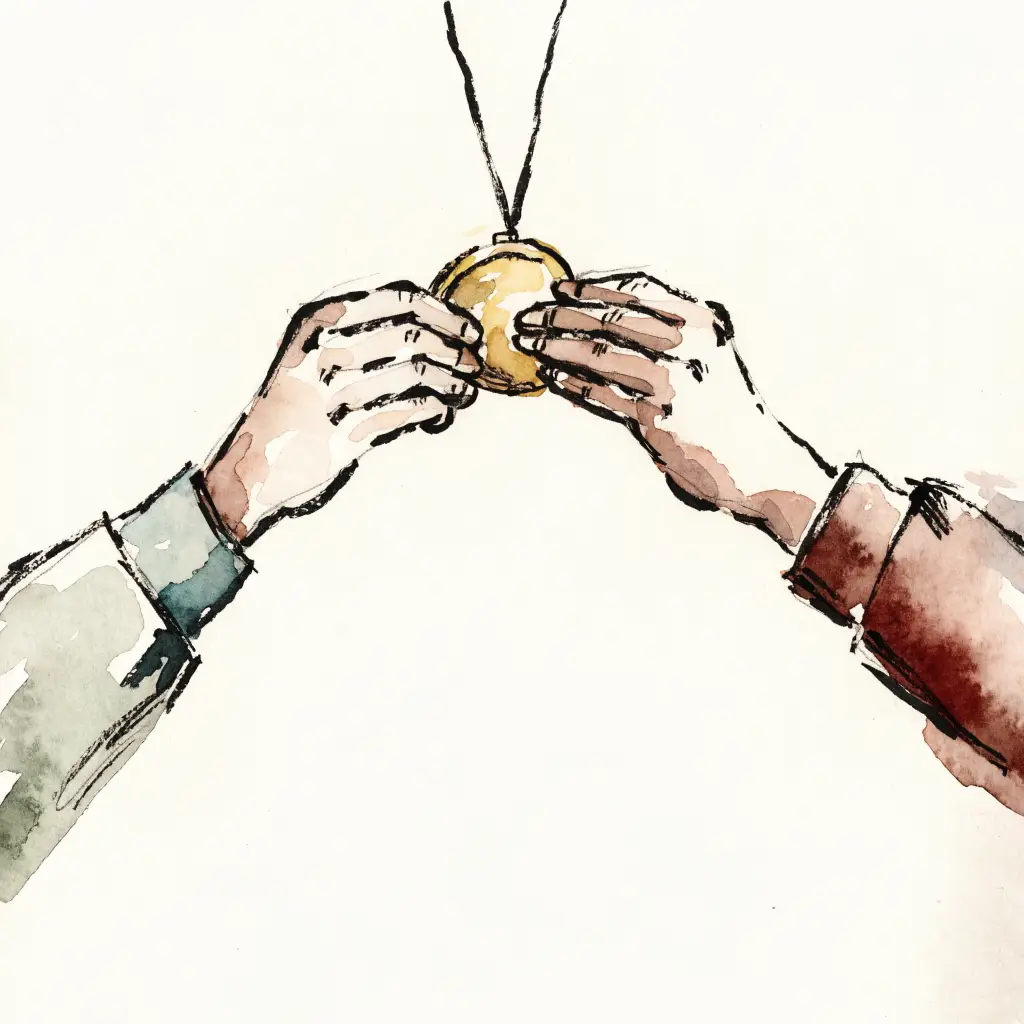
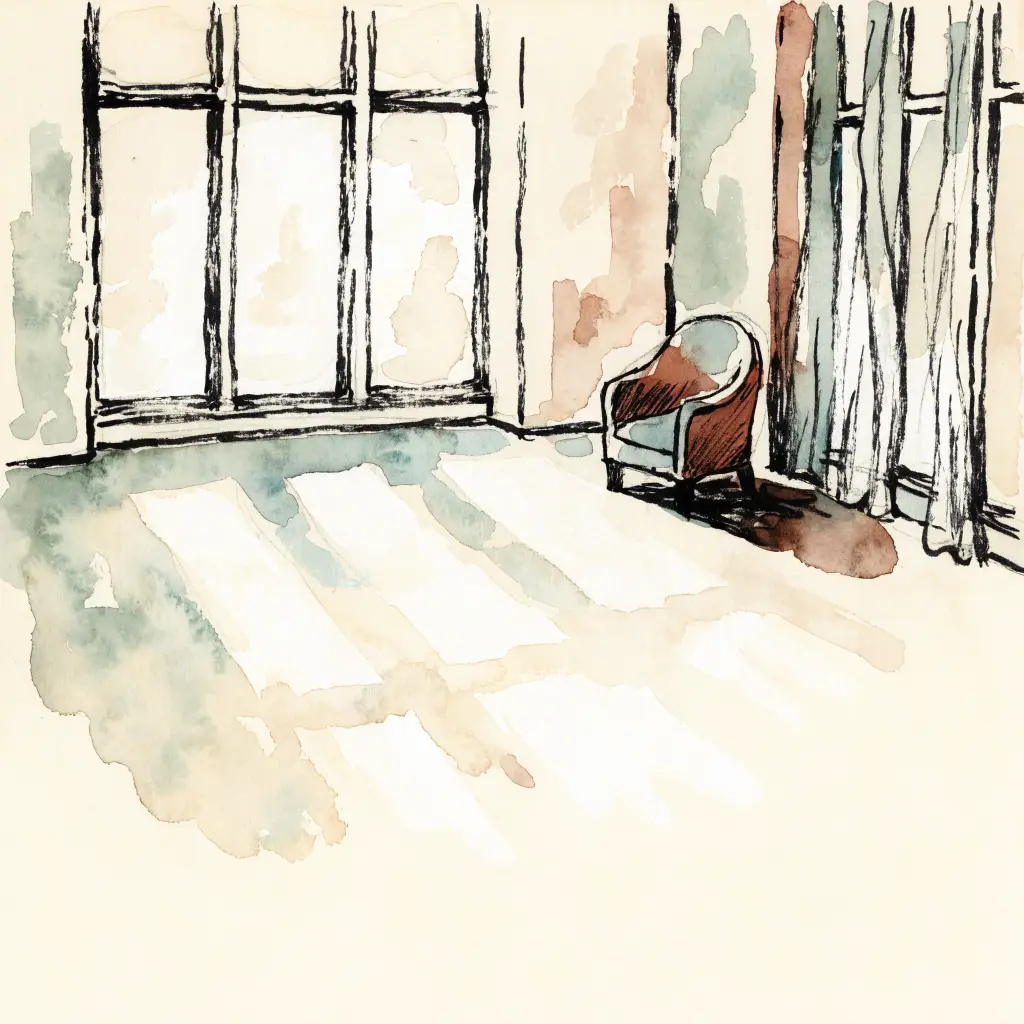
How you see yourself
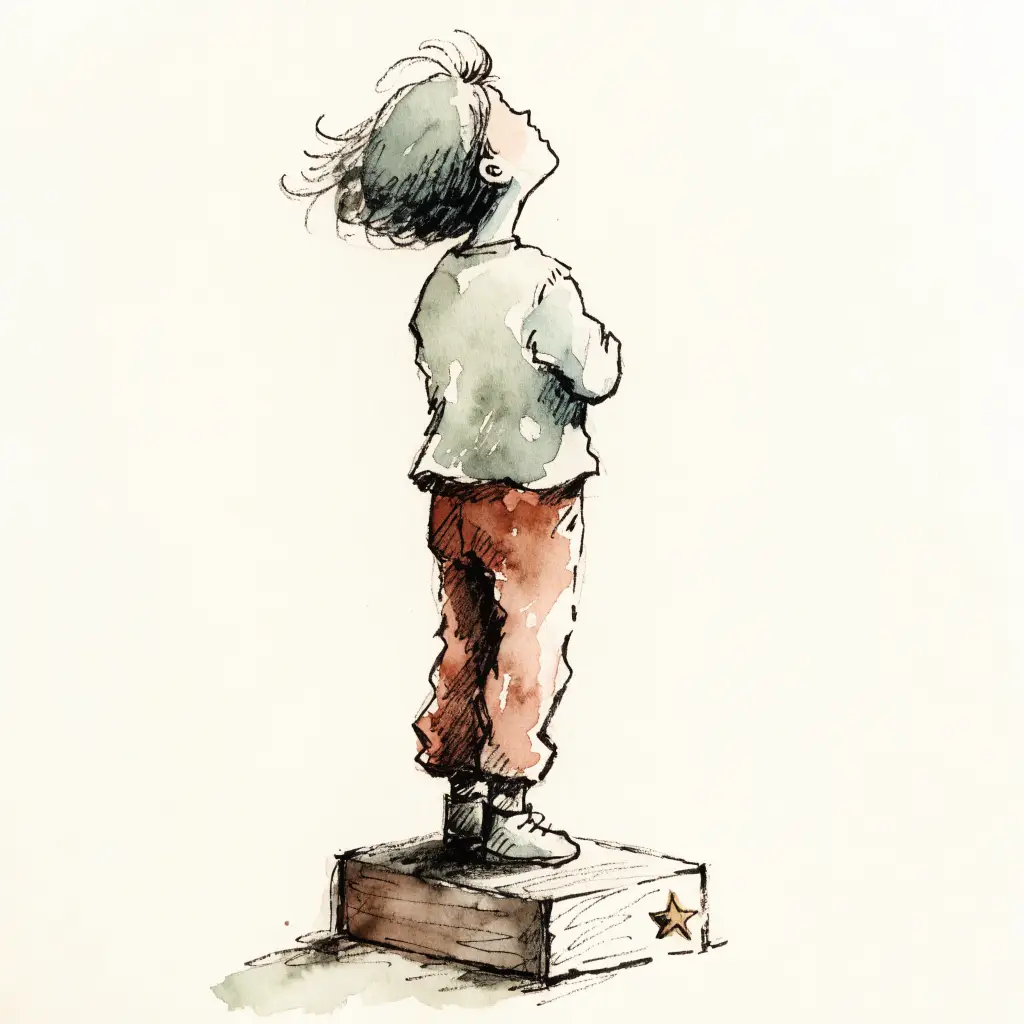
How sure you are of yourself can look very different from the outside — smug, confident, modest and humble all sit on the same line, but only some of them are nice to be around.
smugSMUG
too pleased with yourself, in a way that annoys othersHe wore a smug little smile after winning the first round.Smug is confidence that shows off — nobody enjoys it.Read what the helper says
Smug means you are SO pleased with yourself that it leaks out of your face. A smug person is sure they will win — and wants everyone to know. In stories, smug characters usually trip over right afterwards. Pride comes before a fall!
Your turn — read it out loud!
confidentCON-fi-dent
sure that you can do something wellShe felt confident before the spelling test because she had practised.Confident is the healthy one — sure, but not showing off.Read what the helper says
Confident means you believe in yourself because you are ready. It is quiet and strong. Smug is confident's show-off cousin — same feeling inside, but smug rubs it in everyone's face.
Your turn — read it out loud!
boastfulBOAST-ful
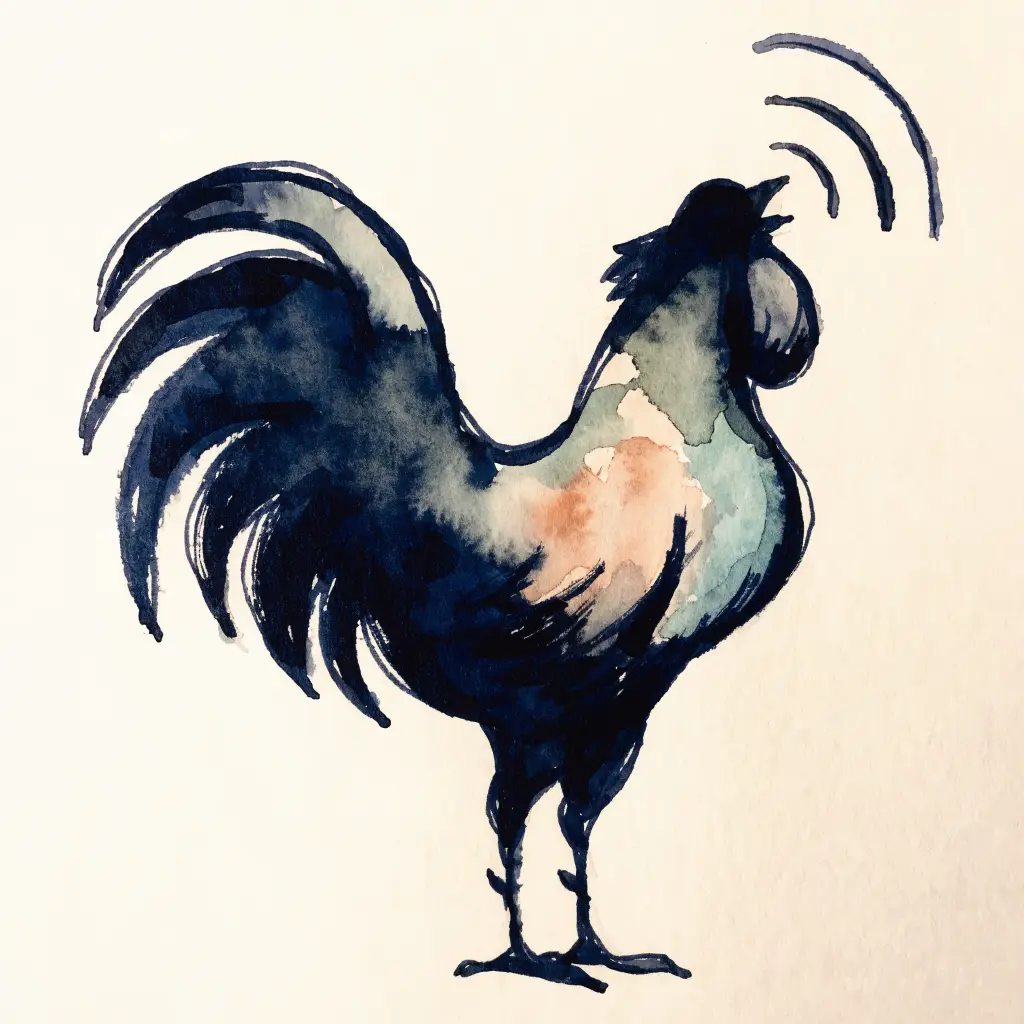
always telling people how good you areThe boastful rooster told the whole farm about his beautiful feathers.Boasting is out loud; smugness can be just a look.Read what the helper says
Boastful people say it with words: 'I'm the fastest! I'm the best!' A smug person might not say a word — the little smile says it for them. Boastful is loud; smug is quiet but just as annoying.
Your turn — read it out loud!
modestMOD-est
not talking big about your own successesShe was modest about coming first and just said she got lucky.The opposite of boastful. Also means 'not huge': a modest house.Read what the helper says
Modest is the opposite of boastful — you did something great but you don't make a parade about it. Watch out: modest has a second job. A 'modest house' or a 'modest score' means a smallish one. One word, two jobs!
Your turn — read it out loud!
humbleHUM-bul
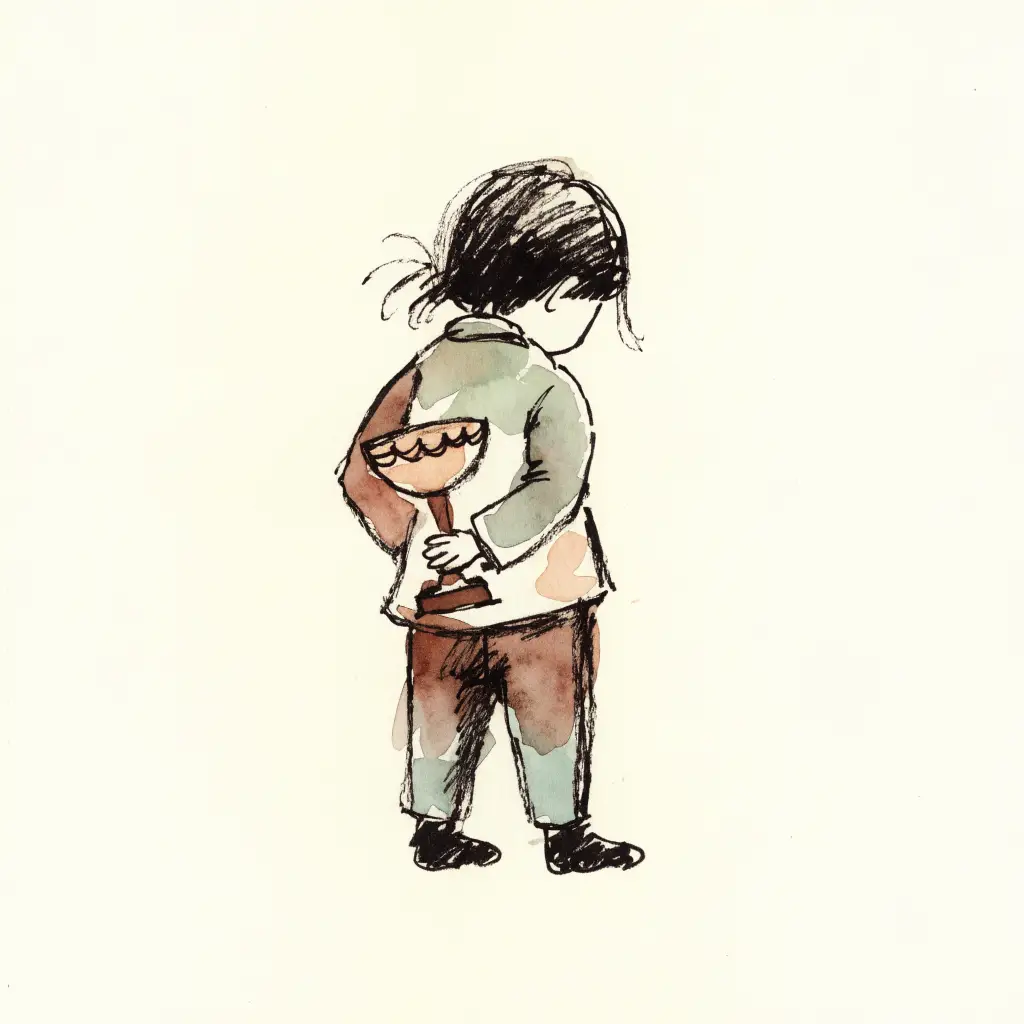
not thinking you are more important than othersThe champion stayed humble and thanked everyone who helped her.Humble people share the credit.Read what the helper says
Humble means keeping your feet on the ground even when you win. A humble winner says 'my team helped me' instead of 'I'm amazing'. It is the deepest kind of modest — it comes from truly believing others matter.
Your turn — read it out loud!
ashameda-SHAYMD
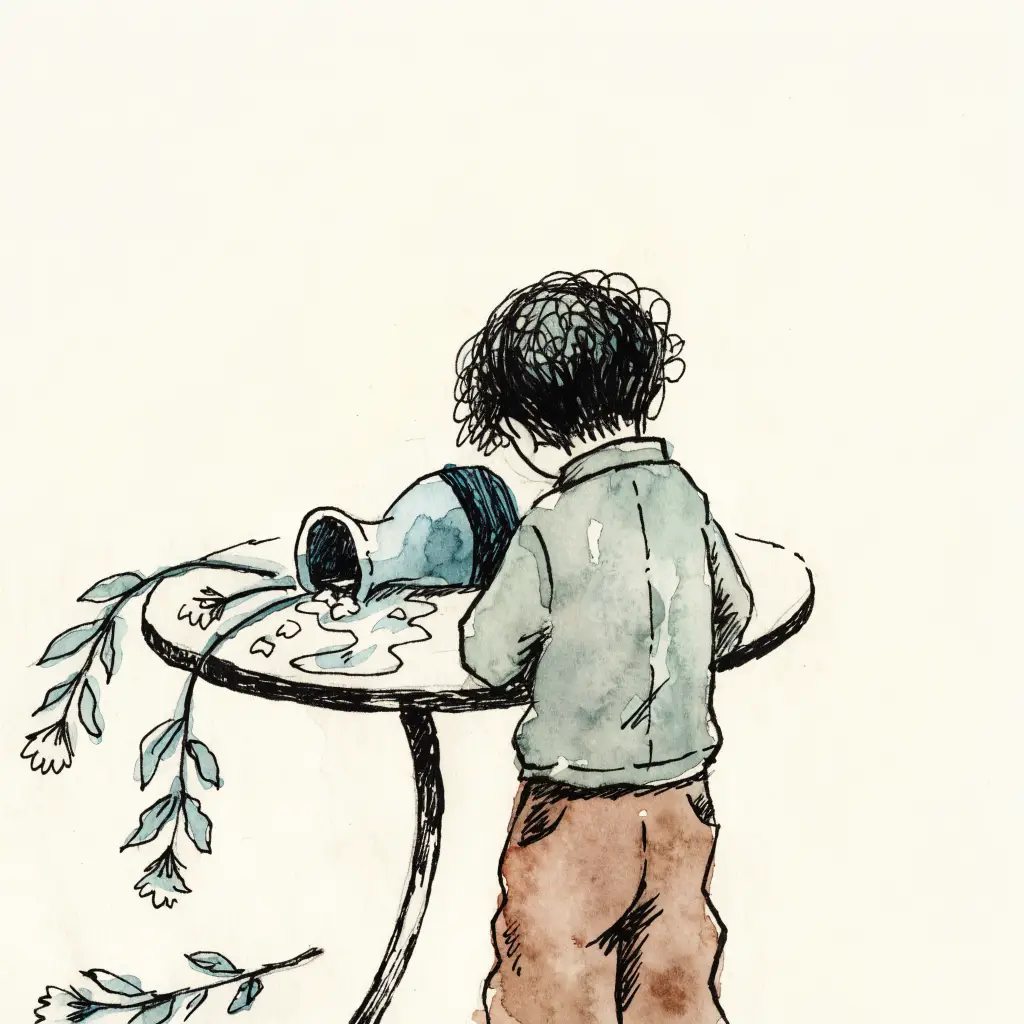
feeling bad because of something you didHe felt ashamed after laughing at his friend's mistake.Ashamed looks down; smug looks down ON people.Read what the helper says
Ashamed is the heavy feeling when you know you did the wrong thing. It is the far opposite of smug: smug thinks 'I'm wonderful', ashamed thinks 'I wish I hadn't done that'. Feeling ashamed and fixing it is how characters grow.
Your turn — read it out loud!
🍴
Words for special food
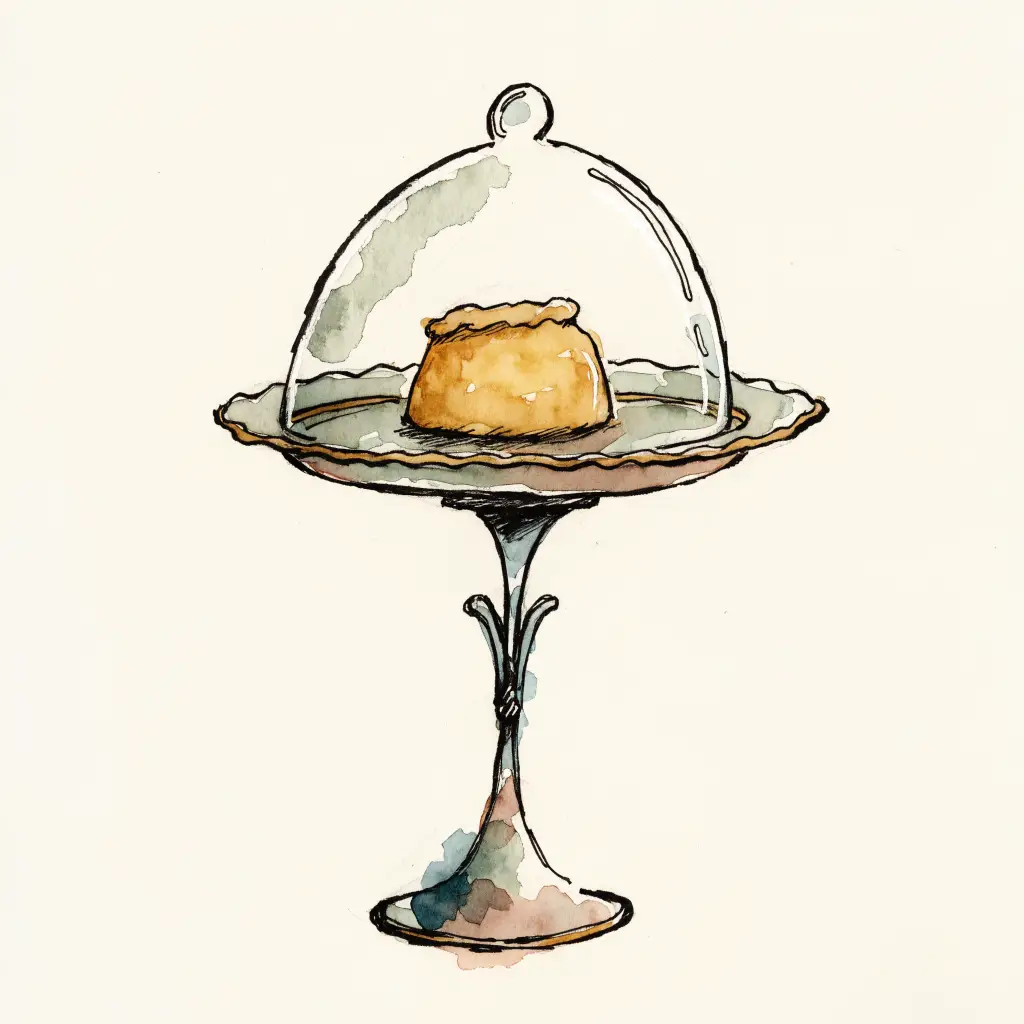
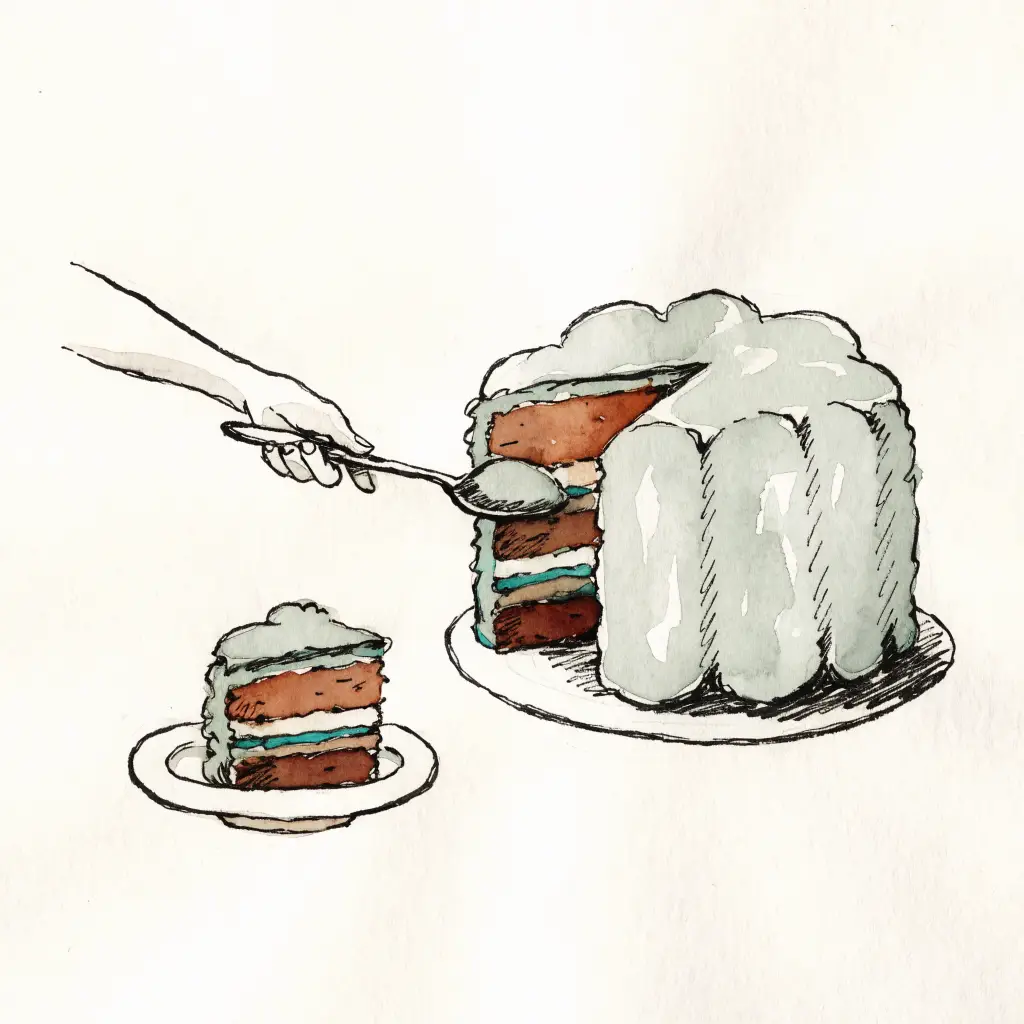
Words for treating your taste buds well — from what goes into the bowl to how hungry you are for it.
delicacyDEL-i-ka-see
a special food that people prize as a treatIn some countries, fried crickets are a delicacy.Trap: it looks like 'delicate' (easily broken) but means a prized food.Read what the helper says
A delicacy is a food people treasure — rare, special, saved for treats. Here is the trap: delicacy LOOKS like 'delicate', so it feels like it should mean fragile. In a food text it never does. If a text calls snails a delicacy, it means people prize them — not that snails break easily!
Your turn — read it out loud!
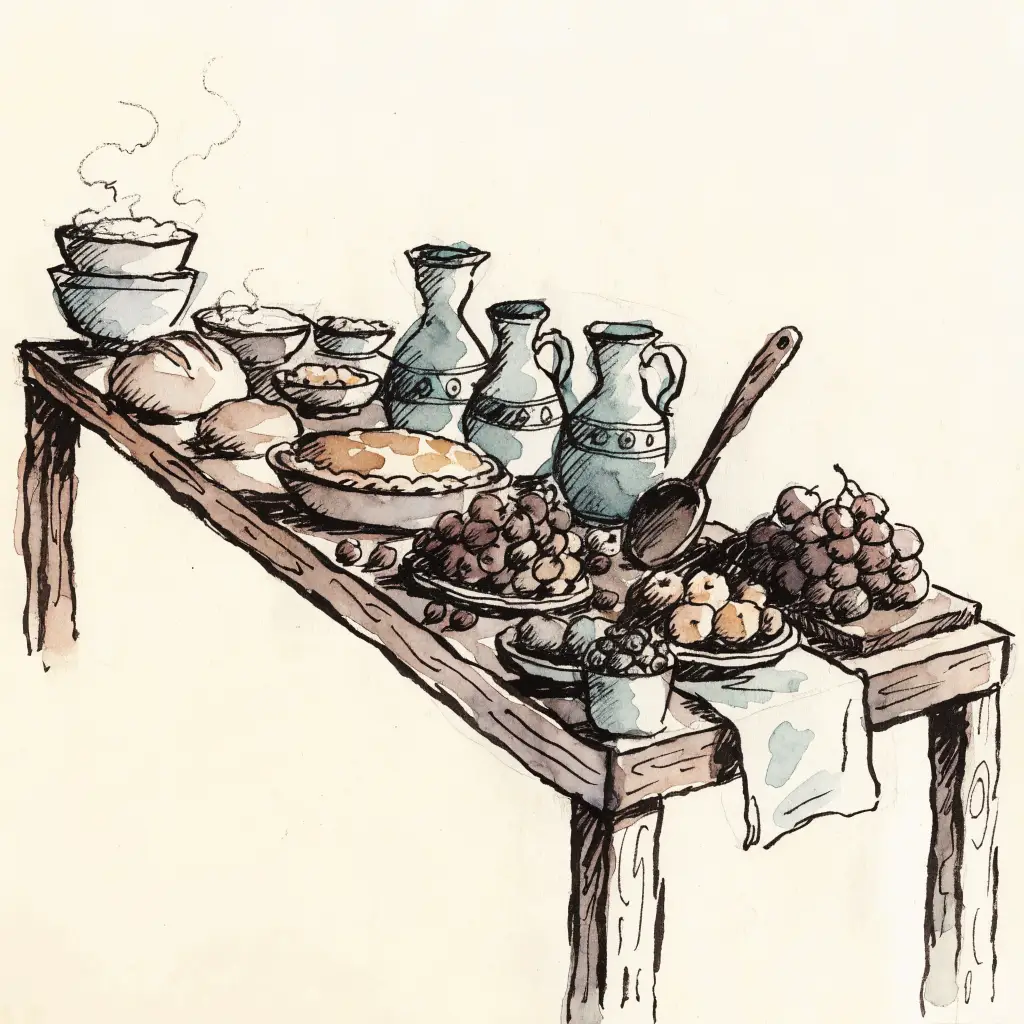
feastFEEST
a big special meal for lots of peopleThe village held a feast to celebrate the harvest.A feast is about plenty — long tables, piles of food.Read what the helper says
A feast is a celebration meal — more food than usual, more people than usual, more noise than usual. Birthdays, weddings, harvest festivals: when a story wants to show joy and plenty, it sets a feast.
Your turn — read it out loud!
ingredientin-GREE-dee-ent
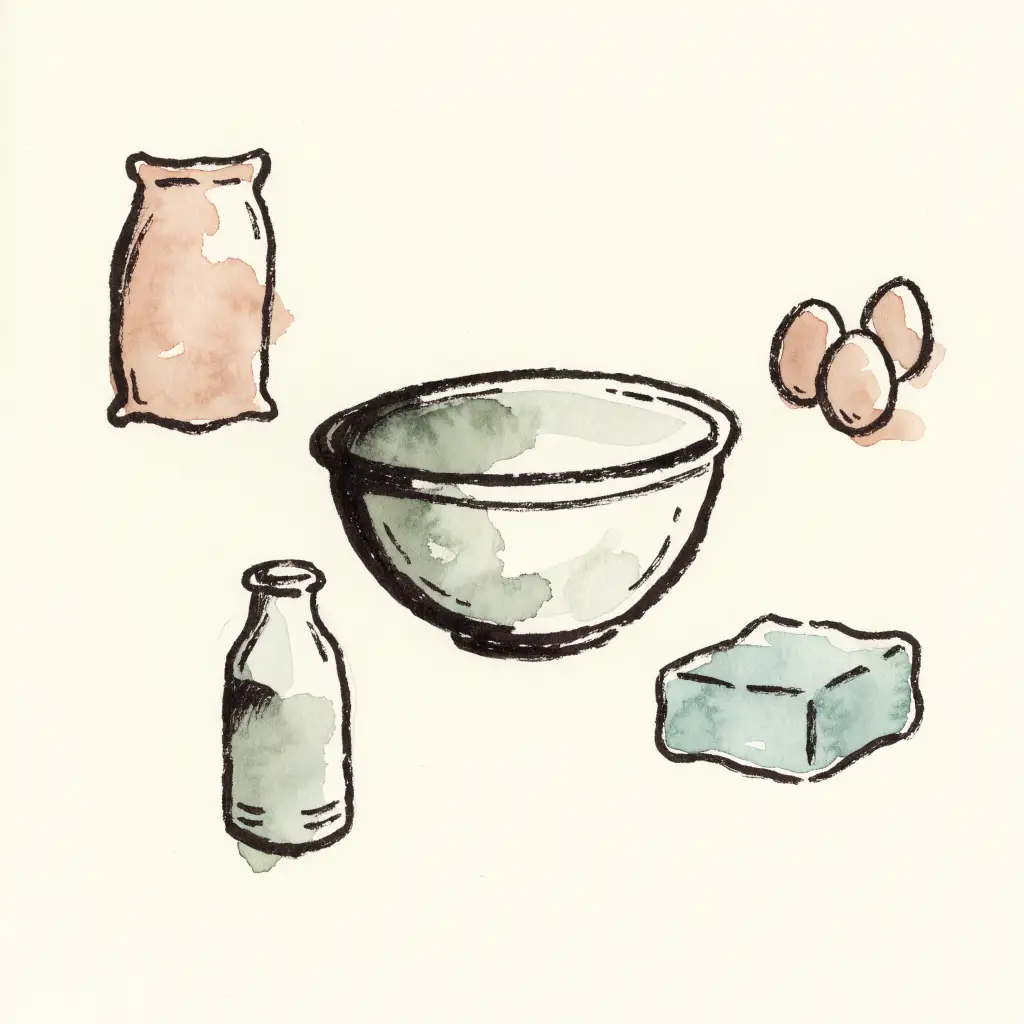
one of the things you mix together to make a foodThe recipe has five ingredients: flour, eggs, milk, butter and sugar.Recipes list ingredients first, steps second.Read what the helper says
Ingredients are the building blocks of a dish — everything that goes IN. Flour, eggs and milk are ingredients of pancakes. The word even sounds like 'in': ingredients go in the bowl.
Your turn — read it out loud!
flavourFLAY-vor
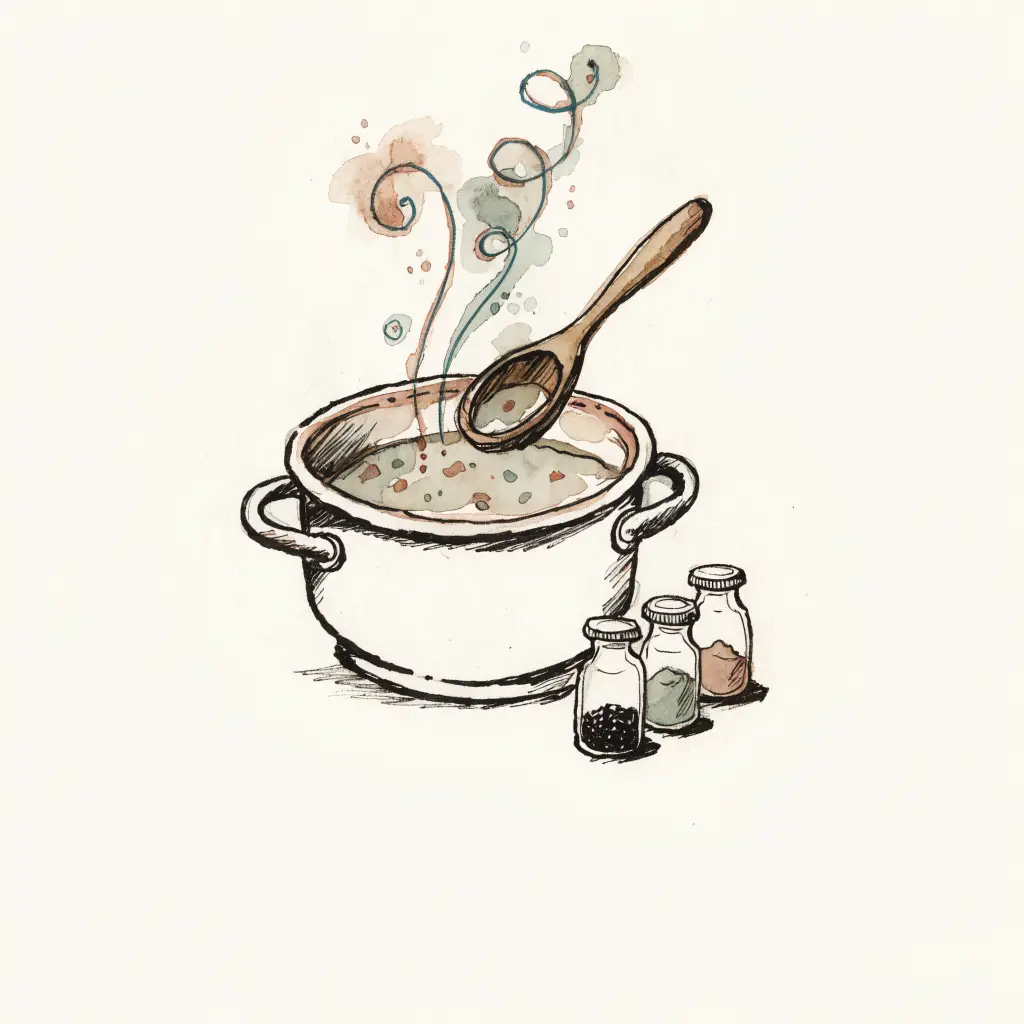
the taste of a foodThe soup had a warm, salty flavour.NZ spelling keeps the u: flavour.Read what the helper says
Flavour is what your tongue reports: sweet, salty, sour, spicy. Two foods can look the same but have completely different flavours. Cooks talk about flavour the way painters talk about colour.
Your turn — read it out loud!
appetiteAP-pe-tite
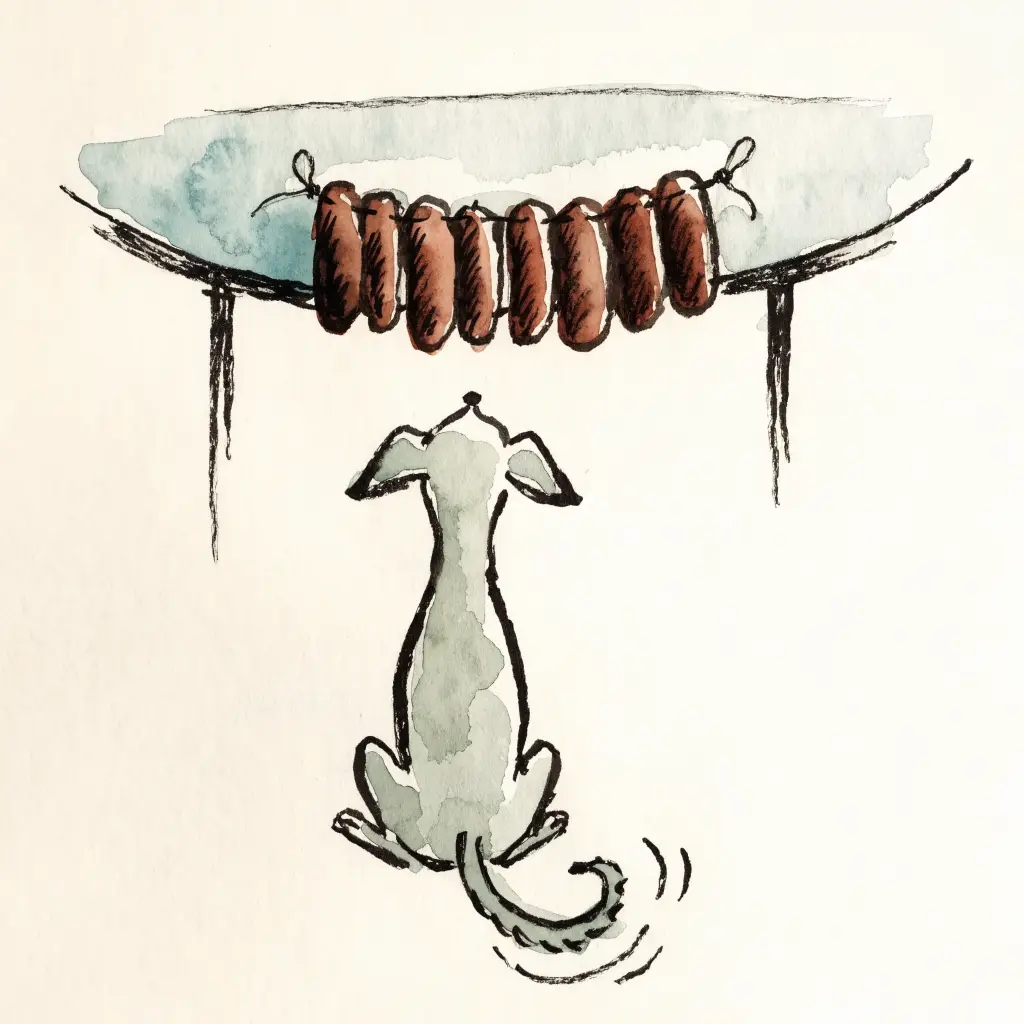
the feeling of wanting to eatAfter the long swim, the kids had a huge appetite.Exercise grows it; snacks shrink it.Read what the helper says
Appetite is your body saying 'food, please!' After sport your appetite is big; after a giant lunch it disappears. If a character 'loses their appetite', a story is often telling you they are worried or sad — feelings live in the stomach too.
Your turn — read it out loud!
edibleED-i-bul
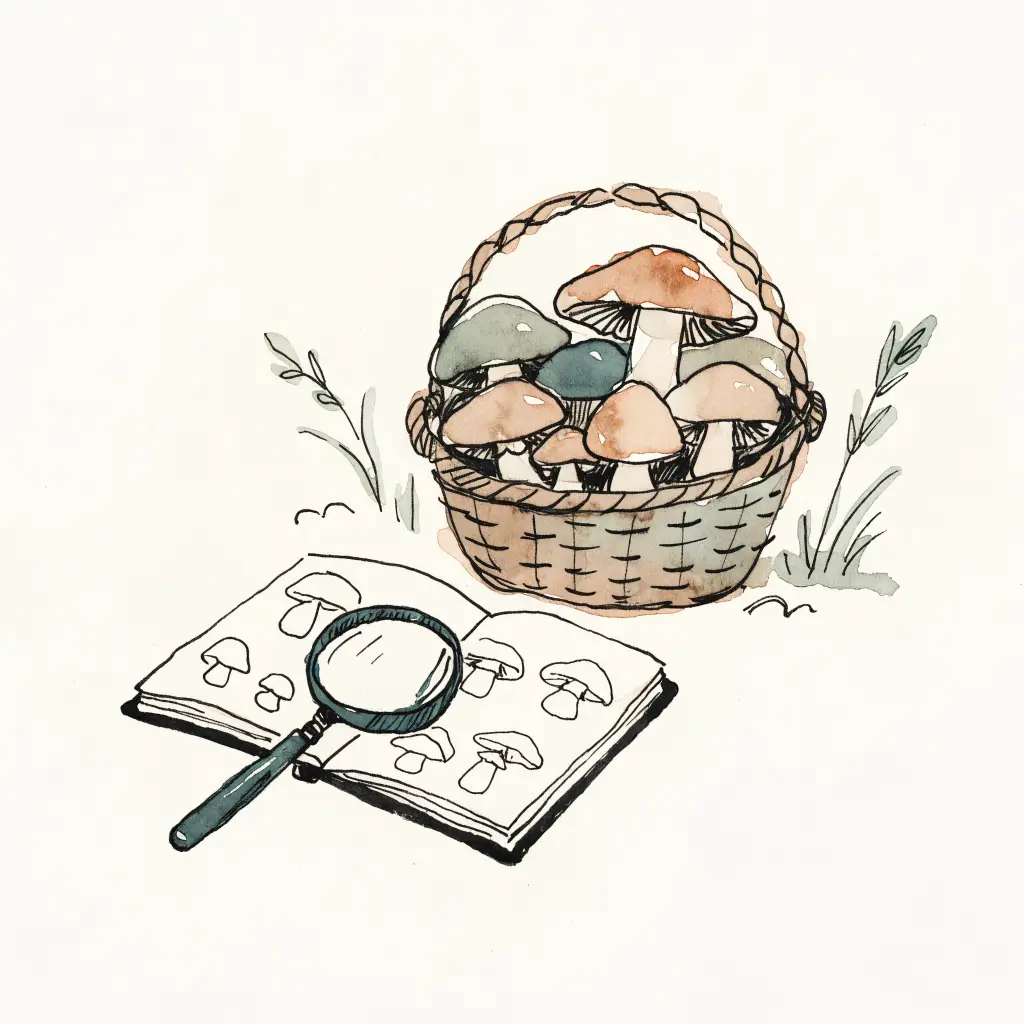
safe to eatOnly some mushrooms are edible, so never pick them yourself.Edible = CAN be eaten. Delicious = tastes great. Not the same!Read what the helper says
Edible just means eating it won't hurt you — it says nothing about taste. Grass is edible for cows; some berries are not edible for anyone. A text about eating insects will call them edible first, and only sometimes a delicacy.
Your turn — read it out loud!
📏
Words for size and space
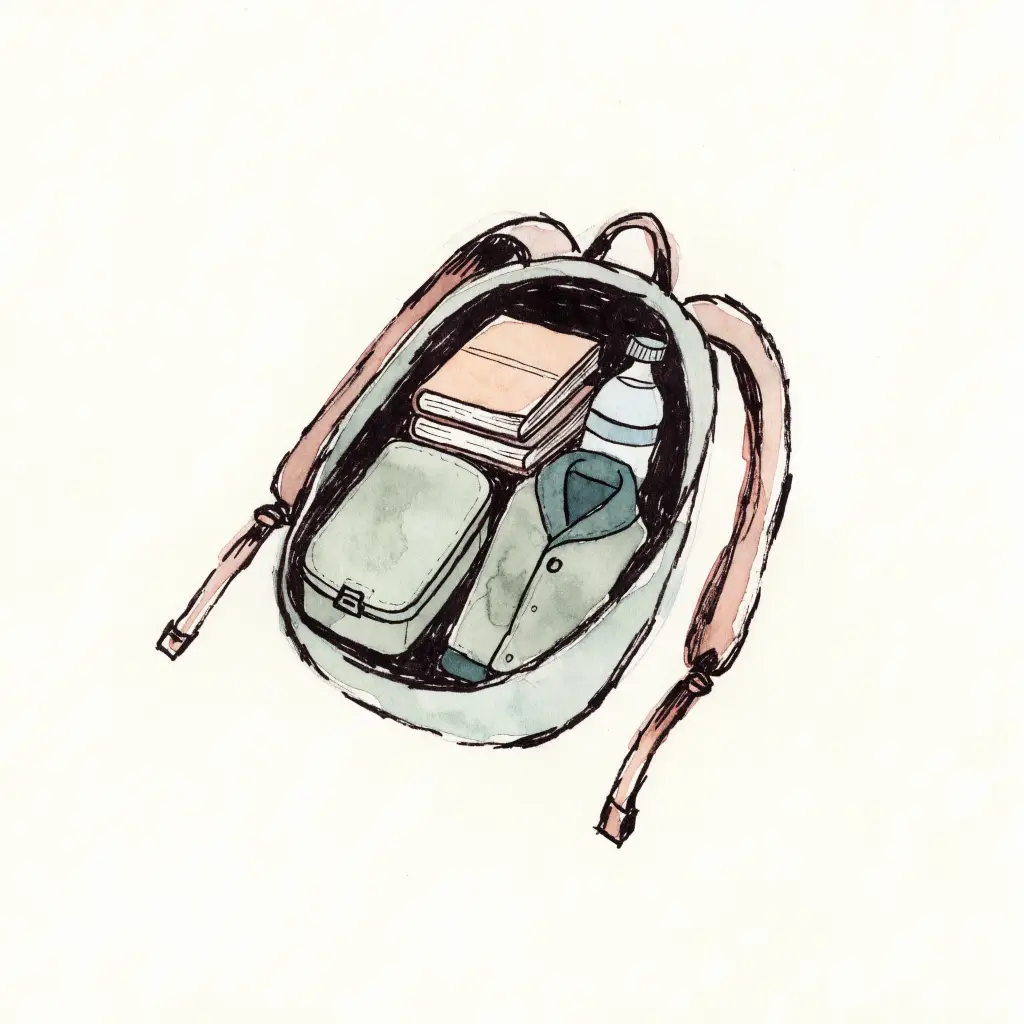
Big and small are lazy words. These six say exactly how much room something takes up — or does not.
spaciousSPAY-shus
having lots of room insideThe new classroom is spacious, with room for a reading corner.Spot the hidden word: SPACE-ious.Read what the helper says
Spacious means full of space — a home, a room or a tent where you can stretch your arms and never touch the walls. When an ad says spacious, it is bragging about room to move.
Your turn — read it out loud!
generousJEN-er-us
giving a lot — or being a lot more than neededShe gave a generous slice of cake to each friend.Trap: a 'generous living area' means a BIG one — the room isn't kind!Read what the helper says
Generous usually describes a person who gives a lot. But watch the second job: a generous helping, a generous space, a generous amount all mean BIG — more than you expected. When a text says a shell has a 'generous living area', that is a synonym for spacious. This exact trick cost us a mark once!
Your turn — read it out loud!
roomyROOM-ee
with plenty of space inside — the friendly word for spaciousThe backpack is roomy enough for lunch, togs and a raincoat.Roomy is casual; spacious is what the ad says.Read what the helper says
Roomy and spacious are near-twins. Roomy is the everyday one — a roomy bag, roomy shoes. Spacious is the polished one that estate agents love. Same meaning, different outfit.
Your turn — read it out loud!
crampedKRAMPT
too small — no room to moveFour people in the little tent made it feel cramped.The opposite of spacious.Read what the helper says
Cramped is when the walls feel too close — knees against the seat, elbows touching. It is the exact opposite of spacious. If a hermit crab's shell gets cramped, it is time to move house!
Your turn — read it out loud!
vastVAHST
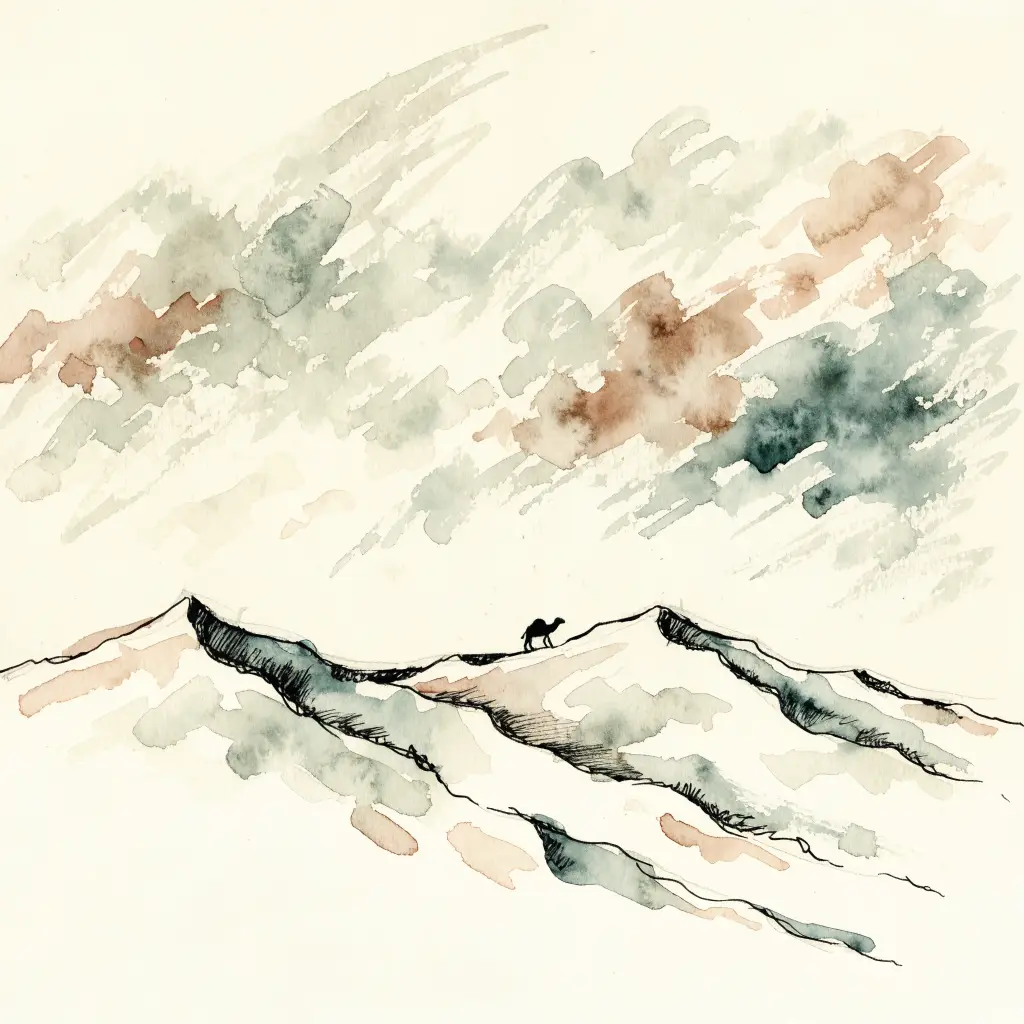
extremely big — stretching further than you can seeThe desert is so vast that travellers carry extra water for days.Vast is for deserts and oceans, not for bedrooms.Read what the helper says
Vast is size on a giant scale — oceans, deserts, space. A bedroom can be spacious but never vast. When a writer picks vast, they want you to feel small standing inside something enormous.
Your turn — read it out loud!
compactkom-PAKT
small on purpose, with everything fitted neatlyThe compact camping stove folds down to the size of a book.Compact is small AND clever — not a complaint like cramped.Read what the helper says
Compact means small in a smart way — everything packed neatly with no wasted space. Cramped is small that feels bad; compact is small that feels clever. A tiny house can be proudly compact or sadly cramped — the word tells you how to feel about it.
Your turn — read it out loud!
Three games
Same eighteen words, three different jobs: match the picture, fill the gap, and pick what you heard.
🎯 Match up
Tap a picture, then its word. Clear all four pairs.
✏️ Fill the gap
One word is missing. Only one of the four fits.
👂 Listen and pick
Tap the speaker, then choose the picture you heard.
Now try the questions
Twelve questions. Tap an answer and find out straight away — and why the wrong ones looked right.
0 of 12 answered0 right
1
In a story, Anna was in front of the race and felt 'smug'. This means Anna
Stuck?
💡Smug is self-pleased confidence that shows — 'I've got this, obviously.'
1She was in FRONT when she felt it. What does being in front make you feel about winning?
C. Smug = too pleased with yourself. Anna in front thought the race was already hers — which is why the story knocks her down a moment later.How you see yourself
2
A travel book says: 'In this village, roasted chestnuts are a delicacy.' This means the chestnuts are
Stuck?
💡In food texts, delicacy = prized treat. It does NOT mean delicate.
1Ask: is the sentence about how the food breaks, or how people treasure it?
A. A delicacy is a treasured, special food. 'Fragile' is the look-alike trap — delicacy resembles 'delicate' but has its own meaning. This exact swap cost a mark on the last paper.Words for special food
3
A house ad says: 'This home has a generous living area.' Here 'generous' means the living area is
Stuck?
💡Generous has two jobs: kind person, OR big amount/space.
1Can a ROOM be kind? If not, generous must be doing its other job here.
B. When generous describes a space or amount, it means big: a generous room, a generous slice. Rooms can't be kind — so in ads, generous is a synonym for spacious. This exact swap appeared on the last paper.Words for size and space
4
Which word could replace 'spacious' in this sentence? 'The tree hut was surprisingly spacious inside.'
Stuck?
💡Spacious is about ROOM inside — find its twin.
1Which option is also about space?
B. Roomy and spacious are near-twins — both mean plenty of space. Cramped is the opposite; unique and charming are nice words about DIFFERENT things (one-of-a-kind, lovely) — the classic synonym trap.Words for size and space
5
'Even after breaking the school record, Ari stayed modest.' This means Ari
Stuck?
💡Modest people own their success — they just don't wave it around.
1Is not-bragging the same as hiding? Not quite — find the difference.
A. Modest means not showing off. Ari can still be happy and people can still know — he just doesn't make a parade of it. Secret-keeping, shame and smugness are all different feelings.How you see yourself
6
A nature guide says some berries in the bush are 'edible'. This means those berries
Stuck?
💡Edible answers one question only: will it hurt you to eat it?
1Does 'edible' promise anything about taste?
D. Edible = safe to eat, nothing more. An edible berry might taste boring; a delicious-looking one might be poisonous. Safety and taste are different questions.Words for special food
7
Which sentence uses 'smug' correctly?
Stuck?
💡Smug goes with winning + showing off about it.
1Look for the sentence where someone is pleased with THEMSELVES.
C. Smug fits a show-off winner: 'Told you I'd win.' Cosy blankets are 'snug', and losing makes nobody smug.How you see yourself
8
Which sentence uses 'delicacy' in the food sense correctly?
Stuck?
💡Food sense = a prized treat, usually unusual or saved for special times.
1Find the sentence where people TREASURE a food.
D. 'Considered a delicacy' is the classic food use — a prized treat. The vase sentence uses the OTHER meaning (gentleness), and everyday cereal can't be a delicacy.Words for special food
9
In which sentence does 'generous' mean BIG rather than KIND?
Stuck?
💡Look at what 'generous' is describing: a person (kind) or an amount (big)?
1Find the sentence where generous describes a THING, not a person.
D. A 'generous helping' is a big serving — generous describing an amount means big. In the other three, generous describes people being kind.Words for size and space
10
An ad for a school bag says: 'Neat outside, ____ inside — fits books, lunch AND a raincoat.' Which word fits the gap best?
Stuck?
💡The gap needs 'lots of room' — at BAG scale, not desert scale.
1Which space word matches a bag that fits everything?
A. Spacious means plenty of room — perfect for a bag that swallows books, lunch and a raincoat. Vast is desert-sized (too big a word for a bag), cramped is the opposite, and a modest bag would be smallish.Words for size and space
11
A news report says: 'The bake sale raised a modest amount of money.' Here 'modest' means the amount was
Stuck?
💡Modest has a second job: describing amounts, it means smallish.
1Can an AMOUNT of money be humble? If not, modest is doing its size job.
C. A modest amount = a smallish amount. Like generous, modest has two jobs: a modest person doesn't brag; a modest amount, house or score is on the small side.How you see yourself
12
A food article calls fried crickets 'edible' in one paragraph and 'a delicacy' in another. What is the difference?
Stuck?
💡One word is about safety, the other about being treasured.
1Ask each word one question: 'safe?' and 'special?'
B. Edible = safe to eat (a fact). Delicacy = treasured special food (an opinion of a culture). The article uses both because they answer different questions.Words for special food
Try the whole set first. There is no time limit — getting it right matters more than getting it fast.
Show the answers
Talk it through
Stuck on a word or a question? Say it out loud instead — your helper knows every
word and every question here, and will not tell you the answer.
Say a word, or a question number. Or try: “teach me question 7” — the helper will pretend to be wrong. Convince them! Uses the microphone. Nothing is recorded.